
Product
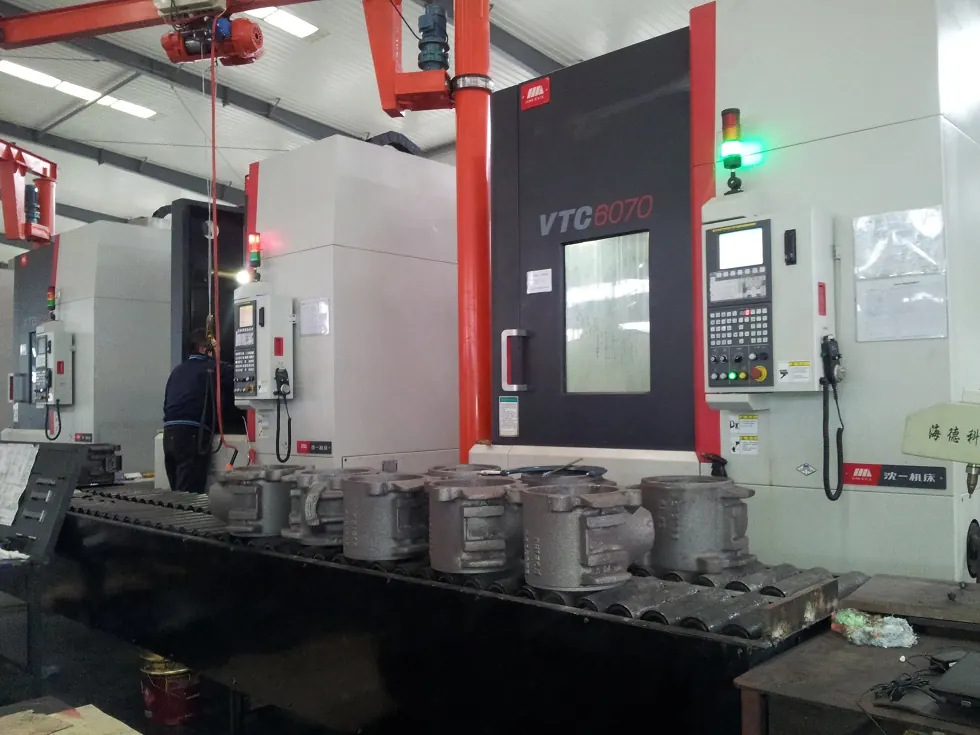
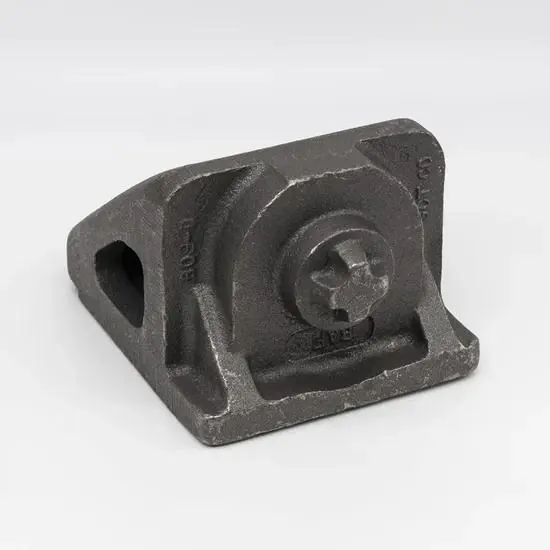
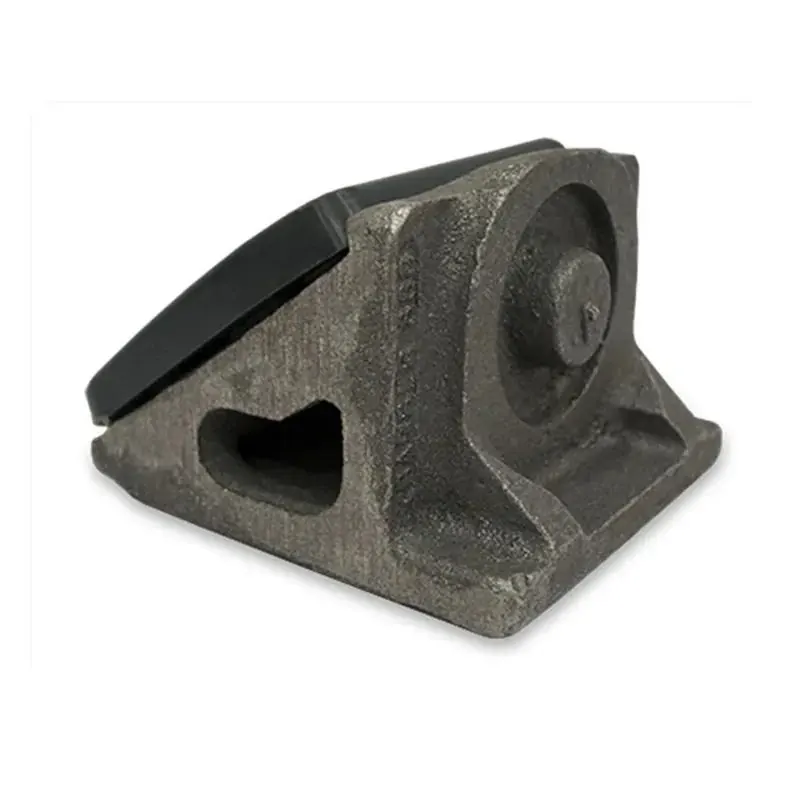
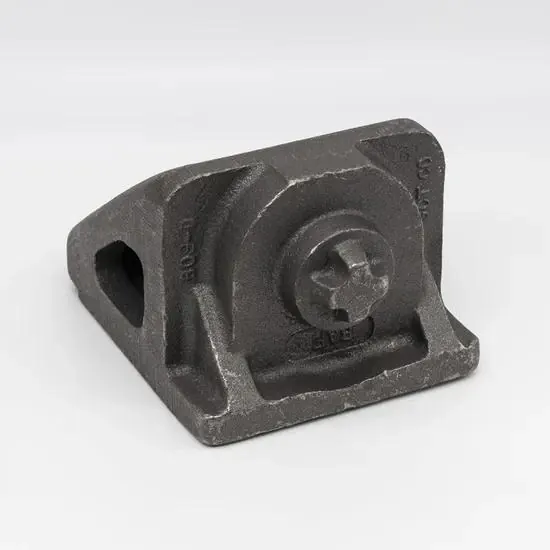
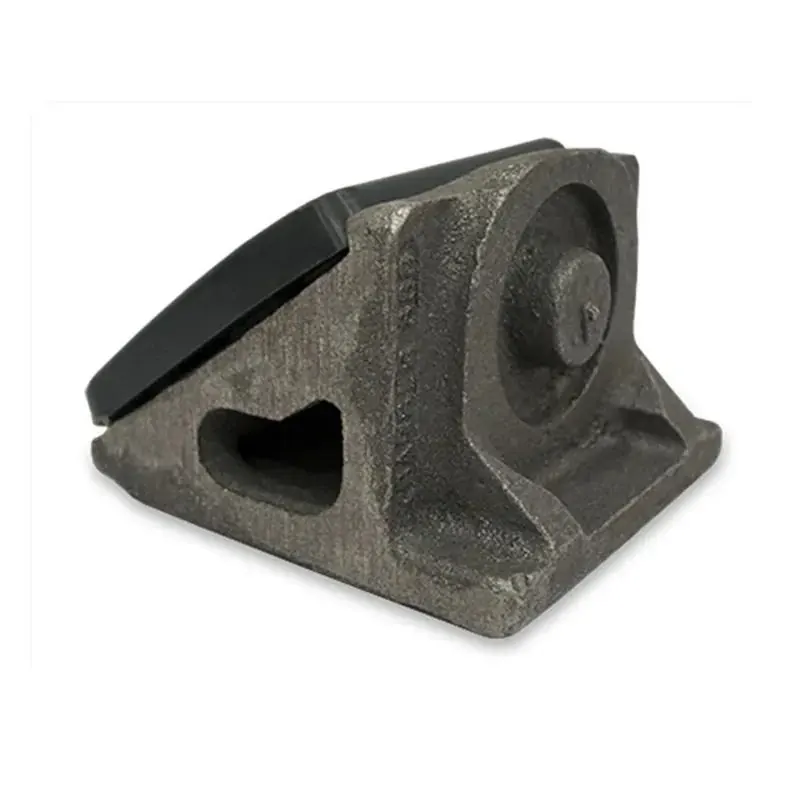
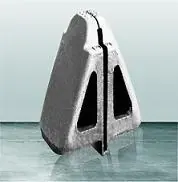
Bogie Friction Wedge Castings
Friction wedge castings in ADI Grade 900 ductile iron and ZGMn13 for bogie snubbing devices. Friction coefficient and wear limit reported per heat lot.
Bogie Friction Wedge Castings Overview
A friction wedge casting is the snubbing element in the bolster pocket of a three-piece freight bogie, converting vertical suspension travel into controlled friction that damps hunting and absorbs impact loads. It is a bogie casting rather than a suspension wear part. SIMIS Precision Casting Co., Ltd. is a friction wedge casting manufacturer in China, producing ADI Grade 900 ductile iron and ZGMn13 high manganese steel wedges to AAR M-201 and GOST 32400-2013, and as a China friction wedge casting supplier reports the friction coefficient and wear limit per heat lot.
Specifications
| Item | Specification |
|---|---|
| Material | ADI Grade 900 ductile iron; ZGMn13 high manganese steel |
| Process | Shell mould precision casting (ADI); sand casting with high manganese liners |
| Standards | AAR M-201; GOST 32400-2013 |
| Documentation | Factory-issued material certificate, fully compliant with EN 10204 Type 3 content, issued with each batch against the heat number |
| Typical bogie types | Three-piece freight bogies (AAR classes), 1520 mm gauge bogies |
| Lead time (indicative) | Confirmed in the quotation |
| MOQ | Indicative, confirmed in the quotation |
| Grade | Duty | Key property |
|---|---|---|
| ADI Grade 900 | Standard snubbing | High strength, good wear resistance |
| ZGMn13 | Severe impact / abrasion | Work-hardening surface, mining and heavy haul |
Equivalent Material Grade Map
Wear and damping castings are not graded by tensile strength. They are graded by hardness, wear resistance and friction behaviour, which is why the ductile iron and high manganese grades below have no direct AAR equivalent. This table maps the functional duty onto the material selection instead of onto a tensile strength figure.
| Casting / Duty | Standard System & Grade | Tensile / Yield | Elongation | Impact | Chinese Grade | Russian Grade | Note |
|---|---|---|---|---|---|---|---|
| Friction wedge | AAR M-201 not graded | - | - | - | ADI Grade 900 ductile iron | - | Primary snubbing element, friction coefficient reported per heat |
| Friction wedge, severe impact | - | - | - | - | ZGMn13 high manganese steel | - | Impact and abrasion duty, mining and heavy haul |
| Side bearing housing and seat | - | - | - | - | QT500-7 ductile iron | - | Constant contact side bearing, machined contact face |
| Side bearing, severe wear | - | - | - | - | QT700-2 ductile iron | - | Higher wear resistance where side bearing load is high |
| Lower side bearing wear plate | - | - | - | - | ZGMn13 / ZG270-500 | - | Polymer wear plate carrier, thickness controlled |
| Spring seat and spring plank | AAR M-201 Grade B | 485 MPa / 260 MPa | 24% | - | ZG230-450 / ZG25MnNi | - | Three-piece bogie spring nest |
| Friction wedge, low cost | - | - | - | - | QT600-3 ductile iron | - | Utility bogies where service life is not critical |
Important. Ductile iron and high manganese grades have no AAR or GOST equivalent because these standards grade structural castings by tensile strength. Specify the duty and the wear limit rather than a standard grade for these parts.
Material and Manufacturing Process
ADI Grade 900 wedges are produced by shell mould precision casting, which holds the wedge geometry and contact-face profile tightly before austempering. ZGMn13 wedges are sand cast with high manganese liners and water-toughened to develop the work-hardening surface that resists severe impact. Both routes use EBT + LF duplex refining and are finish-machined to the bolster pocket fit. The contact face is dressed so the friction profile matches the reported coefficient.
Traceability and Documentation
Every friction wedge ships with an factory material certificate compliant with EN 10204 3.1, a recorded heat number and an individual casting serial number. The heat report carries the measured friction coefficient and the declared wear limit, and the NDT report is filed against the same heat number so a maintainer can trace any wedge back to its melting and inspection records.
Quality Control and Inspection
SIMIS verifies internal soundness with 9MeV industrial DR/CT volumetric scanning on the casting line. Surface and near-surface defects are then checked by UT and MT so the wedge meets the specified mechanical requirements, subject to the material certificate and third-party inspection, before it leaves the foundry.
Regional Applications
In North America, wedges are supplied for AAR-class three-piece bogies with per-heat coefficient reporting. For Russia and CIS fleets, ZGMn13 and GOST 32400-2013 grades cover 1520 mm gauge duty. In Southeast Asia, ADI Grade 900 wedges serve mixed freight and utility bogies where service life is not critical.
FAQ
Why do friction wedges crack or wear flat? Friction wedges crack from accumulated snubbing impact and wear flat when the contact face loses its friction profile beyond the reported wear limit. SIMIS reports the friction coefficient and wear limit per heat lot, so maintainers can schedule replacement before the wedge reaches its limit in AAR M-201 service.
What is ADI Grade 900 and how does it compare with ZGMn13? ADI Grade 900 is an austempered ductile iron offering high strength with good wear resistance for standard snubbing duty. ZGMn13 is a water-toughened high manganese steel for severe impact and abrasion, such as mining and heavy haul. The two are chosen by duty, not by a common tensile grade.
How is the friction coefficient of a wedge verified? The friction coefficient is measured on a sample from each heat lot and recorded on the factory material certificate compliant with EN 10204 3.1 and heat report. SIMIS also applies volumetric NDT on the casting line so internal soundness is verified, giving buyers a per-heat coefficient instead of a generic catalogue value.
Related Products and Resources
Request a Quotation
Send the friction wedge drawing, drawing number or part number to sales@simisrail.com, with the bolster pocket geometry and the service mode. SIMIS confirms receipt within 1 working day and returns an indicative quotation within 3 working days, with MOQ and lead time confirmed in the quotation. Contact Felix at +86-13934165890 for technical discussion.
Product photos
Related products
More railway bogie castings for heavy-haul freight wagons
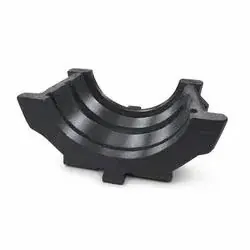
Railway Bearing Adapter Castings
View the railway bearing adapter castings page →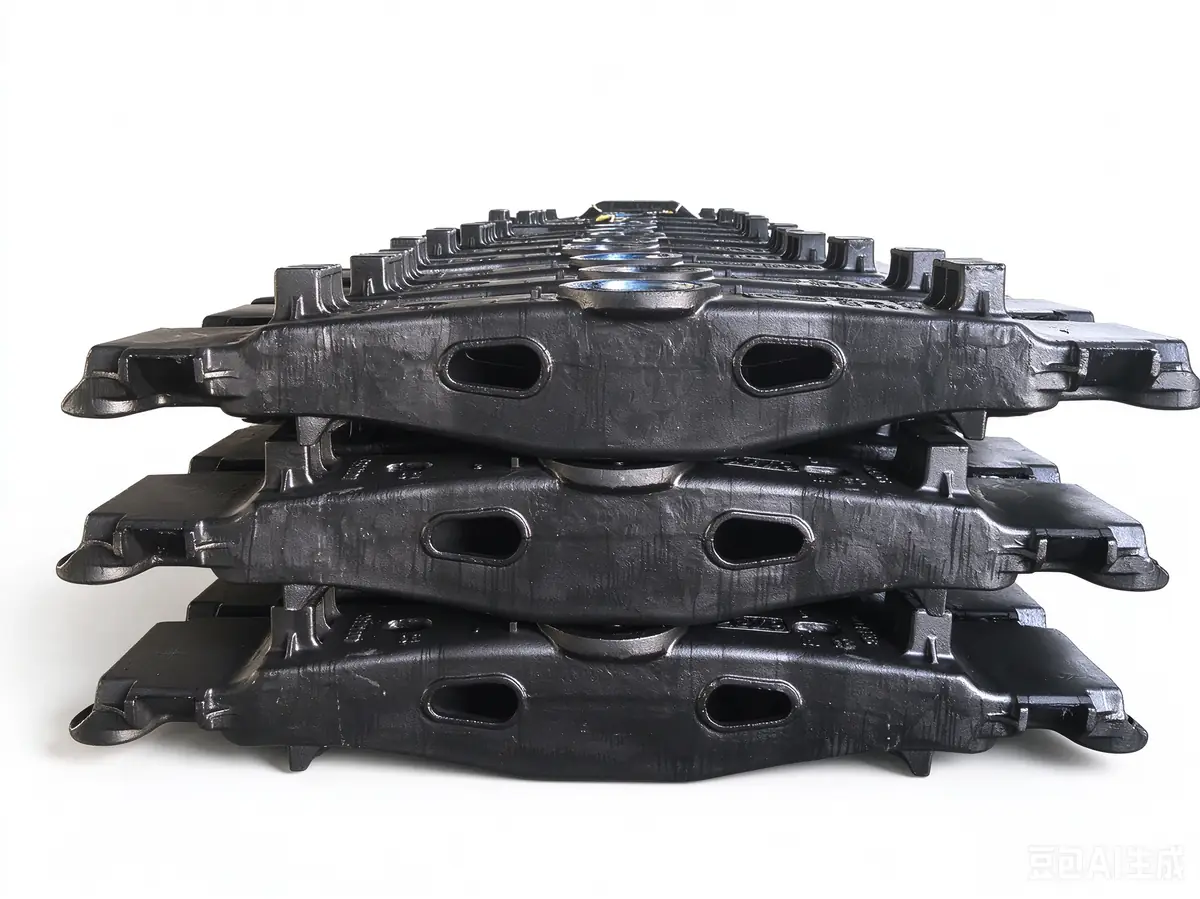
Railway Bolster Castings for Heavy-Haul Freight
View the railway bolster castings for heavy-haul frei page →Back to Railway Bogie Castings for Heavy-Haul Freight Wagons