
Product
Railway Bolster Castings for Heavy-Haul Freight Wagons
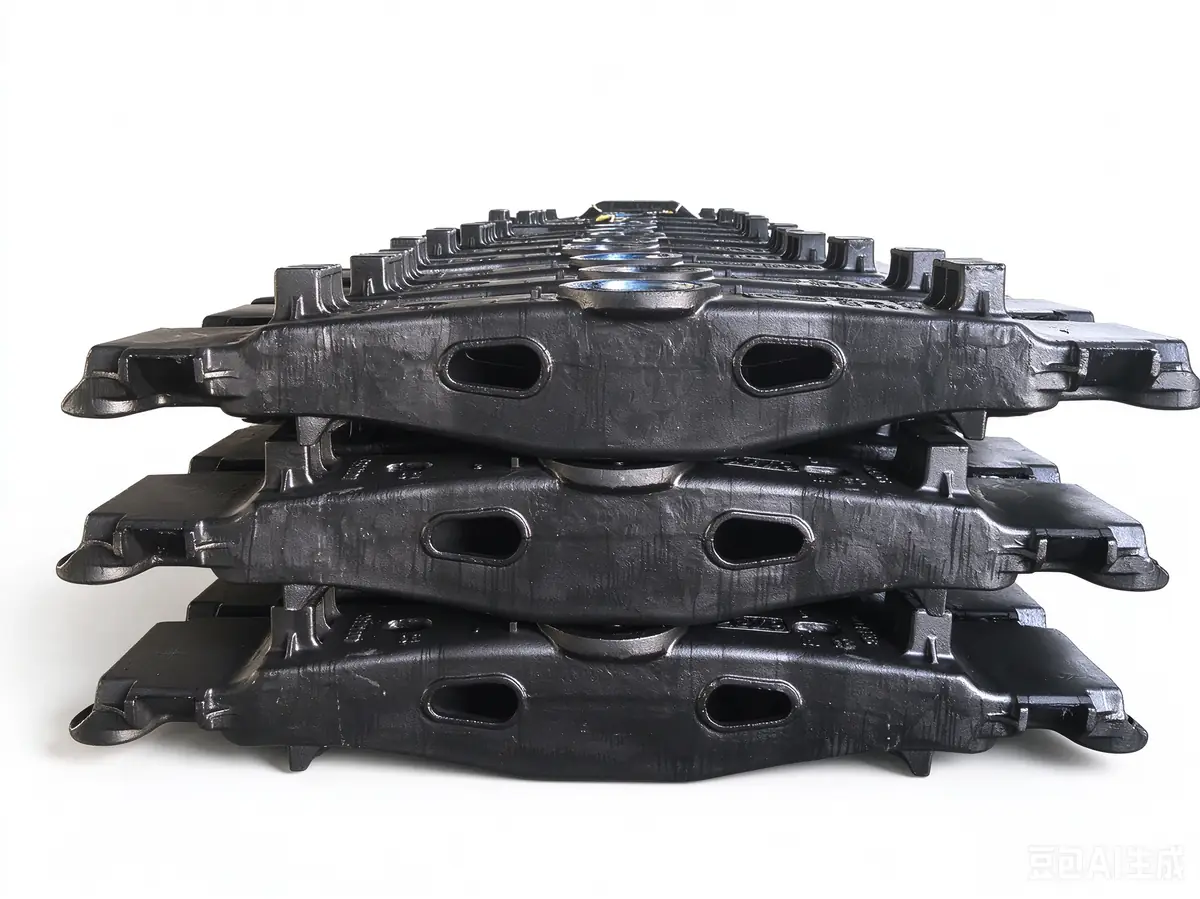
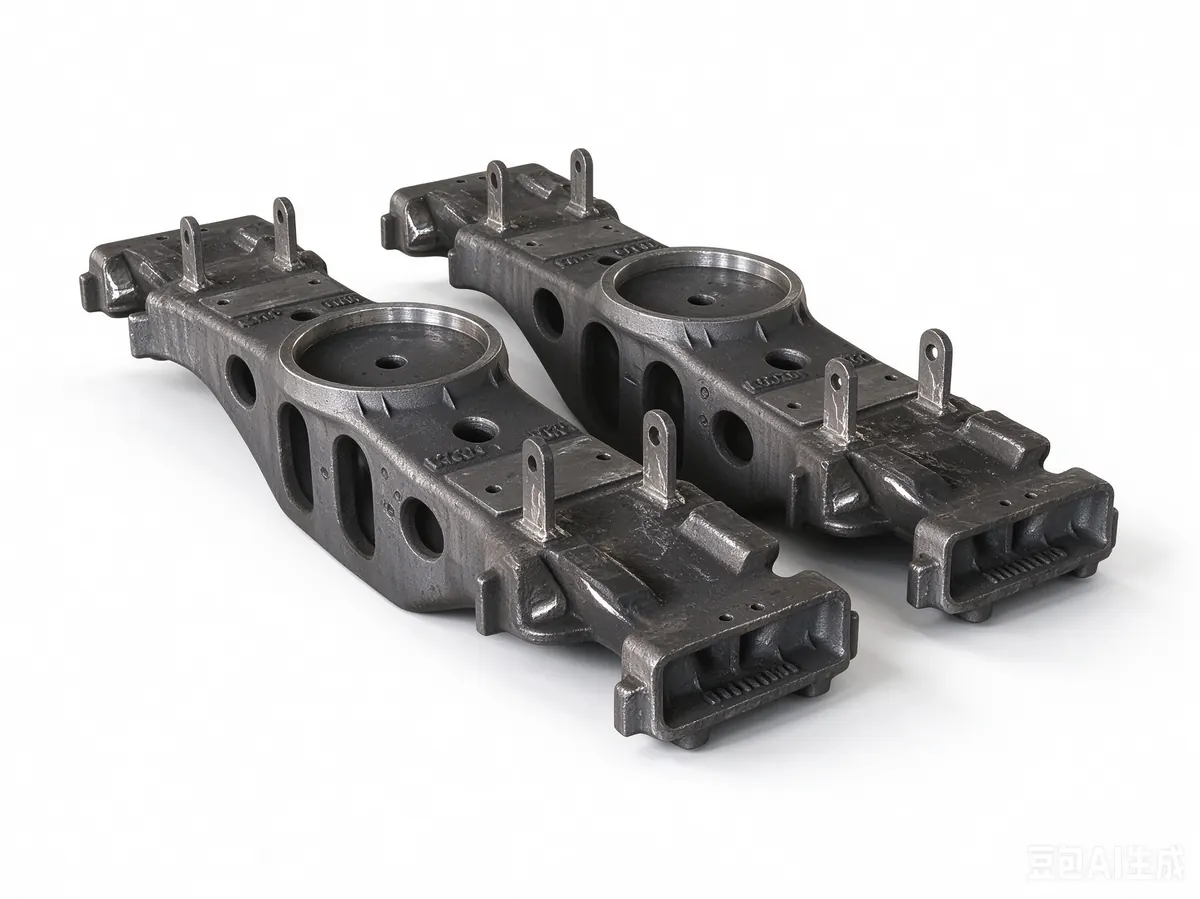
Railway bolster castings to AAR M-202 and M-210 in Grade B+ and C steel for 70T, 125T, 18-100 bogies, up to 8 tonnes. V-process casting, 100% UT and MT.
Railway Bolster Castings Overview
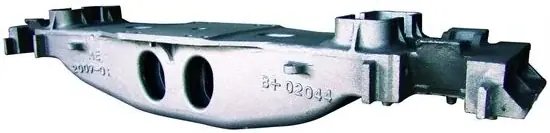
SIMIS supplies railway bolster casting components for three-piece bogies, produced to AAR M-202 and AAR M-210 in Grade B+ and Grade C cast steel for 70T, 125T and 18-100 bogies. SIMIS is the railway bolster casting manufacturer, and its China railway bolster casting factory operates an AAR M-1003 Certified Quality Management System audited by AAR reviewers, with a V-process line handling a maximum single-piece casting weight of 8 tonnes. In AAR terminology the part is the truck bolster, the transverse load beam between the side frames.
Railway Bolster Casting Specifications
| Item | Specification |
|---|---|
| Material | ZG25MnCrNi (AAR Grade B+), ZG25MnCrNiMo (AAR Grade C), 20GFL for GOST 32400-2013 versions |
| Process | German HWS V-process vacuum sand casting; normalized and tempered; shot peened |
| Standards | AAR M-202, AAR M-210, AAR M-201, GOST 32400-2013, TB/T 3012-2016 |
| Documentation | Factory-issued material certificate, fully compliant with EN 10204 Type 3 content, issued with each batch against the heat number |
| Typical bogie types | 70T, 9C, QR100, aQR100, 125T, Q65 (1435 mm); 18-100, 18-9922, 18-175, 18-194, 18-7020 (1520 mm); K2, K6, DZ1 (1435 mm) |
| Maximum single-piece casting weight | 8 tonnes |
| Lead time (indicative) | confirmed in the quotation |
| MOQ | indicative, confirmed in the quotation |
Typical Bogie and Model Coverage
| Bogie model | Gauge | Material | Standard |
|---|---|---|---|
| 70T, 9C, QR100, aQR100 | 1435 mm | ZG25MnCrNi (Grade B+) | AAR M-202 |
| 125T | 1435 mm | ZG25MnCrNiMo (Grade C) | AAR M-202 |
| Q65 | 1435 mm | ZG25MnCrNi (Grade B+) | AAR M-202 |
| 18-100, 18-9922 | 1520 mm | 20GFL (vanadium-alloyed) | GOST 32400-2013 |
| 18-175, 18-194, 18-7020 | 1520 mm | 20GFL (vanadium-alloyed) | GOST 32400-2013 |
| K2, K6, DZ1 | 1435 mm | ZG25MnCrNi | TB/T 3012-2016 |
The bogie and model coverage above is grouped by the fleet the casting is built for, because that is how a buyer specifies it. The three groups below list the models the castings are supplied against.
| Fleet group | Bogie and coupler models supplied | Gauge | Specification basis |
|---|---|---|---|
| China Railway (国铁) | DZ1, K2 and K6 bogies — bolster and side frame; Type 17 coupler and coupler yoke; Type 13B coupler and coupler yoke | 1435 mm | TB/T 3012-2016 for the bogie castings, TB/T 1495 and the applicable coupler standards for the coupler castings |
| North America | 70T, 9C, aQR100 and 125T bogies — bolster and side frame; N06 side frame | 1435 mm | AAR M-202 for bolsters, AAR M-203 for side frames, AAR M-211 and M-215 for the coupler system |
| Russia and CIS | 18-100, 18-9922, 18-175, 18-194 and 18-7020 bogies — bolster and side frame | 1520 mm | GOST 32400-2013, with 20GFL steel for low-temperature service |
A buyer running fleets in more than one of these groups can consolidate the order, and the material codes are aligned so that a part listed under one specification can be delivered against the mechanical requirement of another.
Equivalent Material Grade Map: AAR, GOST, EN and Chinese Grades
AAR Grade, GOST steel grade and Chinese casting grade are not interchangeable labels. This table maps the requirement definitions onto one another so that a buyer holding an AAR drawing, a GOST drawing or a Chinese TB/T drawing can identify the grade supplied in a different system. Equivalence is based on the specified minimum tensile strength, yield strength, elongation and impact energy, and is confirmed against the material certificate for each individual heat.
| Casting / use | Standard system & grade | Tensile / Yield | Elongation | Impact | Chinese grade | Russian grade | Note |
|---|---|---|---|---|---|---|---|
| Side frames and bolsters, low to medium duty | AAR Grade B | 485 MPa / 260 MPa | 24% | 20 J at -7 °C | – | – | Low to medium duty side frames and bolsters |
| 80t heavy-haul bogie members | AAR Grade B+ | 550 MPa / 295 MPa | 22% | 20 J at -18 °C | ZG25MnCrNi | 20GFL | Heavy haul 80t bogies, the mainstream Chinese export grade |
| 100t to 125t axle load and cold climate service | AAR Grade C | 620 MPa / 415 MPa | 22% | 20 J at -18 °C | ZG25MnCrNiMo | 20GFL (vanadium alloyed) | 100t to 125t axle load and cold climate service |
| Type 16 and Type 17 heavy haul coupler bodies | AAR Grade E | 825 MPa / 690 MPa | 14% | not specified by M-201 | ZG29MnMoNi | – | Type 16 and Type 17 heavy haul coupler bodies |
| European axle boxes and brake castings | EN 13749 axle box steel | 490 MPa / 340 MPa | 22% | 27 J at -20 °C | ZG25MnNi | GS20Mn5 (1.6220) | European axle boxes and brake castings |
| CIS bogie castings | GOST 32400-2013 Class 1 | 470 MPa / 320 MPa | 20% | 20 J at -40 °C | ZG25MnNi | 20GL | GOST bogie castings for CIS fleets |
| 18-100 side frame | GOST 32400-2013 Class 2 | 590 MPa / 400 MPa | 18% | 20 J at -60 °C | ZG25MnCrNi | 20GFL | GOST 18-100 side frames, the mainstream CIS export product |
Important. 20GL contains no vanadium and is not permitted for GOST 32400-2013 Class 2 castings. Equivalence is a procurement starting point only; final acceptance follows the material certificate for the delivered heat and the third party inspection.
Material and Casting Process
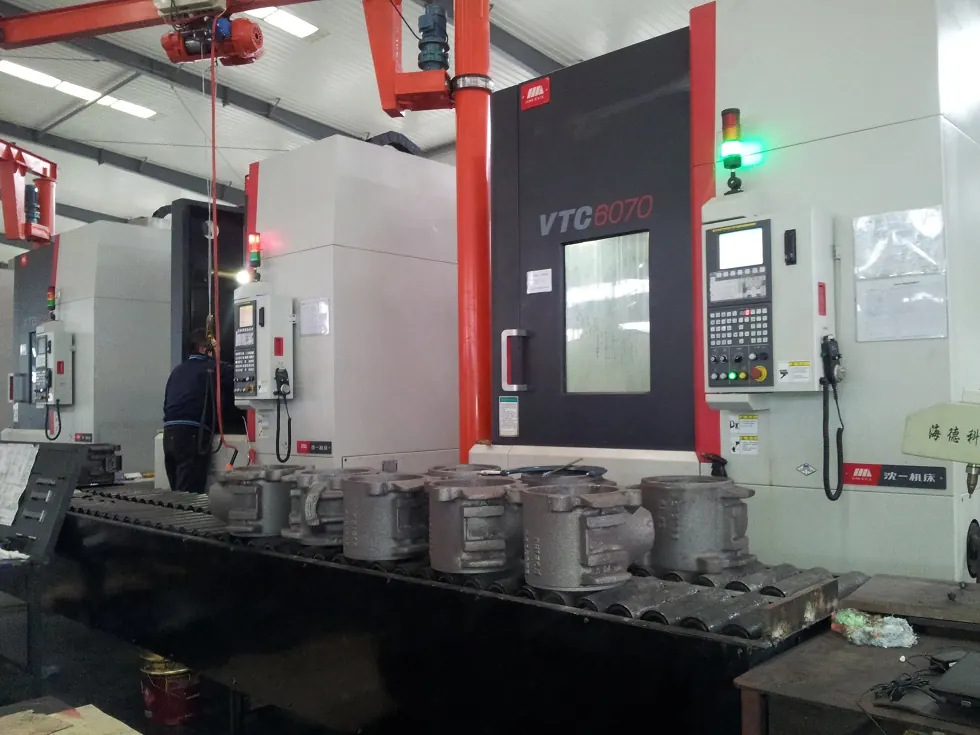
The bolster is poured on the German HWS V-process vacuum sand casting line, where the vacuum-bonded mould holds the centre bowl and pedestal geometry to net profile before heat treatment. Molten steel is refined by EBT and LF duplex refining to control sulphur and inclusions, then normalized and tempered for the specified strength and impact levels. Shot peening is applied to the loaded surfaces to improve fatigue resistance at the stress concentrations around the bowl fillets. For the grade definitions behind these choices, see the AAR M-201 vs M-211 explainer.
Heat Lot Traceability and Documentation
Every railway bolster casting ships with the factory material certificate, fully compliant with EN 10204 3.1 tied to its heat number. The individual heat number identifies the ladle analysis, the heat treatment cycle and the mechanical test coupons for that lot. Each casting carries a single-piece serial number so that an incoming inspection at the assembly line can trace a bolster back to its heat and to the corresponding UT/MT report. Third-party inspection is available on request and is recorded against the same serial number.
Inspection and Quality Verification
Internal soundness of the thick bowl and column sections is verified by 100% 9MeV industrial CT/DR volumetric scanning on those sections, so that shrinkage and porosity are detected before machining. Volumetric scanning is applied as standard on the thick sections of the casting rather than as a sampled check, because a hidden cavity in the bowl or column is a fatigue initiation site. Production castings receive 100% ultrasonic testing (UT) and magnetic particle testing (MT) on the specified surfaces, with the results reported on the dimensional layout and signed off against the drawing gauge points before release.
Regional Applications
- North America — Grade B+ and C bolsters to AAR M-202 and M-210 for 70T and 125T rebuilds.
- Russia and CIS — 18-100 and 18-9922 bolsters in 20GFL to GOST 32400-2013 with -60 °C impact certification.
- South America — Grade B+ and C bolsters matched to the same bogie family as the side frames.
- Middle East and Africa — Rough-cast or machined bolsters for mining and bulk wagons, quoted against the drawing.
FAQ
Which AAR standard governs railway bolster acceptance?
Railway bolster acceptance follows AAR M-202 for design and AAR M-210 for the purchase and acceptance of approved side frames and bolsters. SIMIS casts to both, with mechanical properties verified per heat and documented in the material certificate. Final acceptance is confirmed against the customer drawing and third-party inspection, not by a generic certificate.
Is Grade B+ steel enough for 125-ton axle load bolsters?
Grade B+ (ZG25MnCrNi, 550 MPa tensile) suits 70T to 80t service. For 125-ton axle loads and cold-climate duty SIMIS supplies Grade C (ZG25MnCrNiMo, 620 MPa tensile) instead. The grade follows the bogie load rating and operating temperature, confirmed at the manufacturability review before quotation.
Can you cast bolsters to GOST 32400-2013 for 18-100 bogies?
Yes. SIMIS casts 18-100 bogie bolsters in 20GFL steel to GOST 32400-2013 Class 2, with Charpy impact certification at -60 °C. The Class 2 grade is vanadium-alloyed; Russian-grade 20GL is not permitted for this class. Heat traceability and the factory material certificate are issued per delivered lot.
What is the maximum single-piece casting weight for a railway bolster casting?
The V-process sand casting line at SIMIS handles a maximum single-piece casting weight of 8 tonnes, covering the heavy 125T and 18-100 bolsters in a single pour. Larger sectional masses are reviewed case by case. This 8-tonne capacity is a line limit, not a promise for every geometry.
Is the foundry AAR M-1003 certified?
Production runs under an AAR M-1003 Certified Quality Management System, the AAR supplier-quality certification. The certificate is issued and audited by AAR reviewers. This certification covers the management system governing casting, heat treatment and inspection — it is not a product or casting certification.
Related Products and Resources
Request a Quotation
Send your bogie model with the bolster drawing, drawing number or part number to sales@simisrail.com. SIMIS confirms receipt within 1 working day and returns a quotation within 3 working days, with lead time and MOQ stated as indicative and confirmed in the quotation. Contact Felix at +86-13934165890 for technical discussion.
Product photos
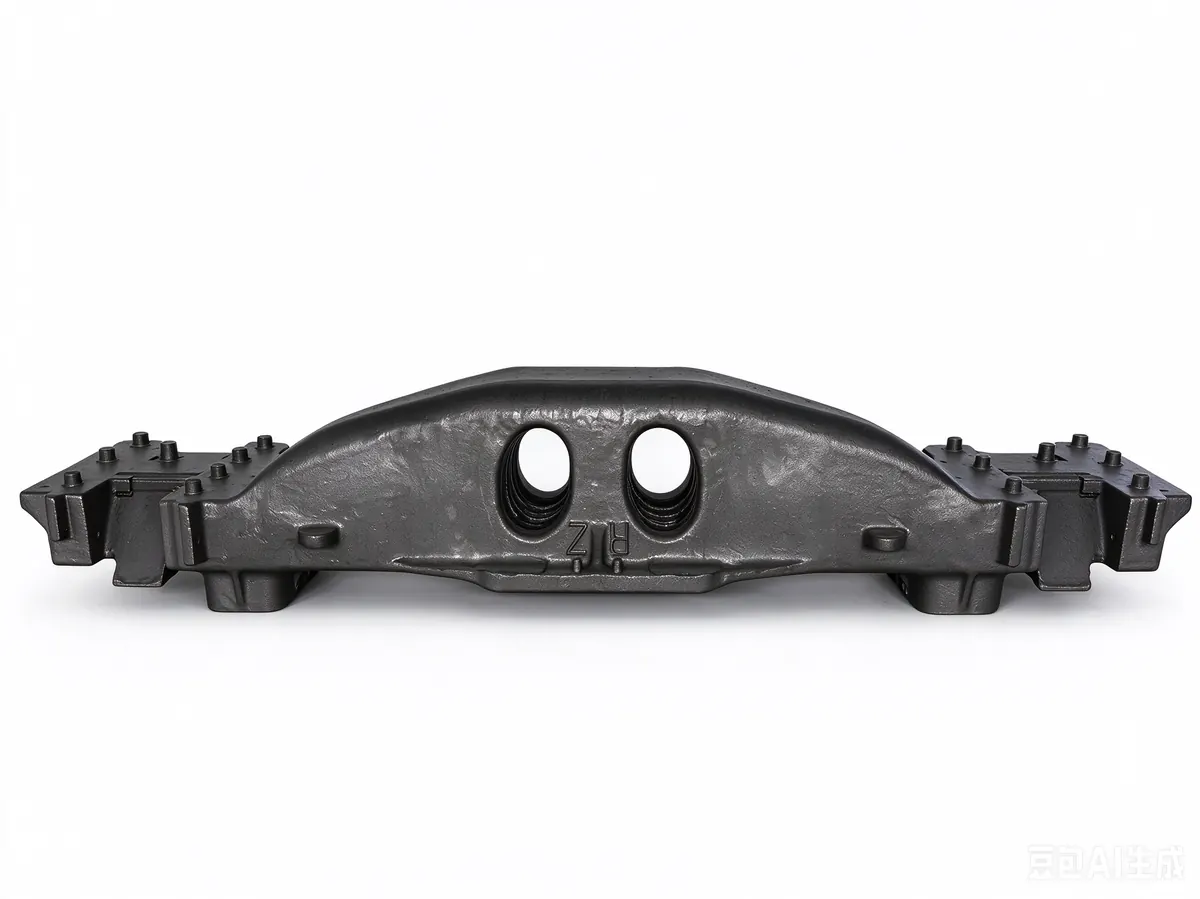
Related products
More railway bogie castings for heavy-haul freight wagons
Railway Bearing Adapter Castings
View the railway bearing adapter castings page →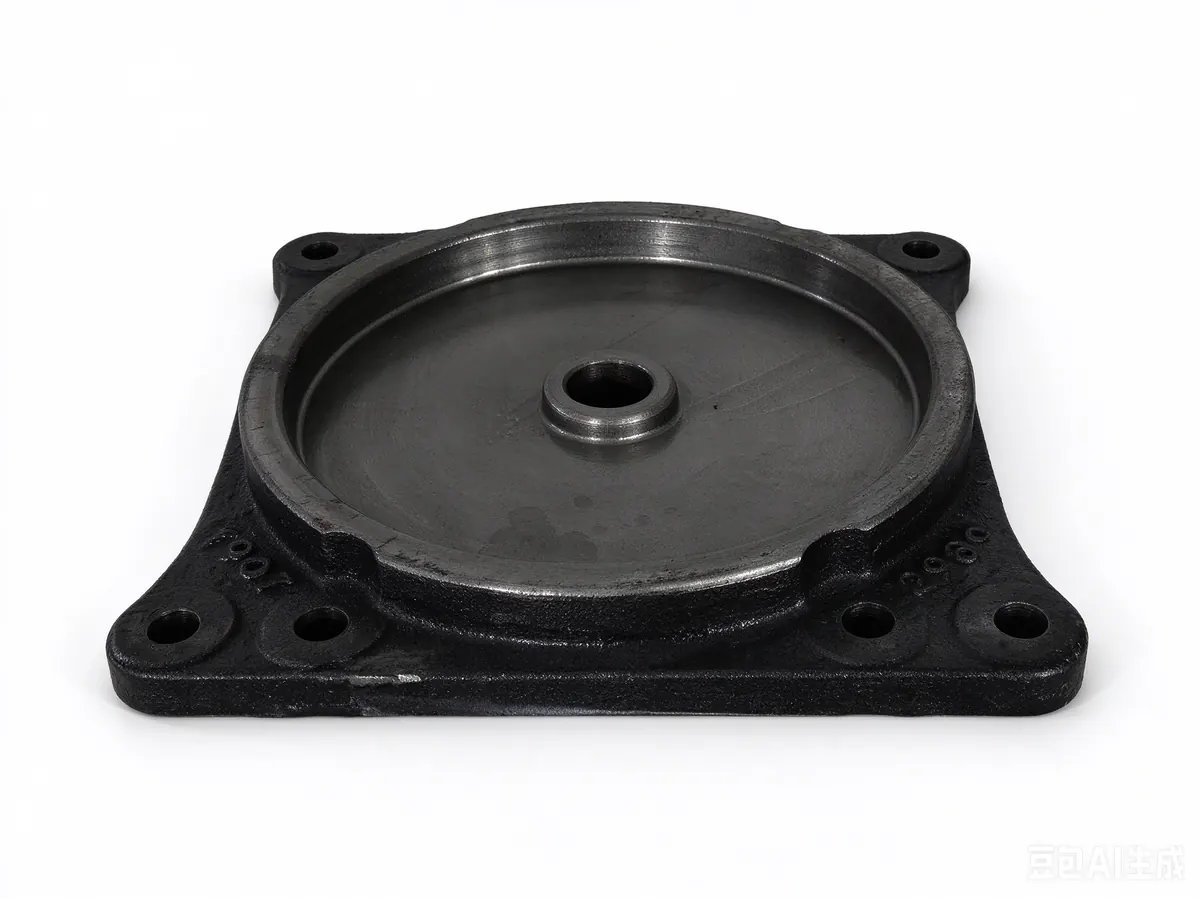
Railway Center Plate Castings
View the railway center plate castings page →Back to Railway Bogie Castings for Heavy-Haul Freight Wagons