Casting family
Railway Coupler and Draft Gear Castings
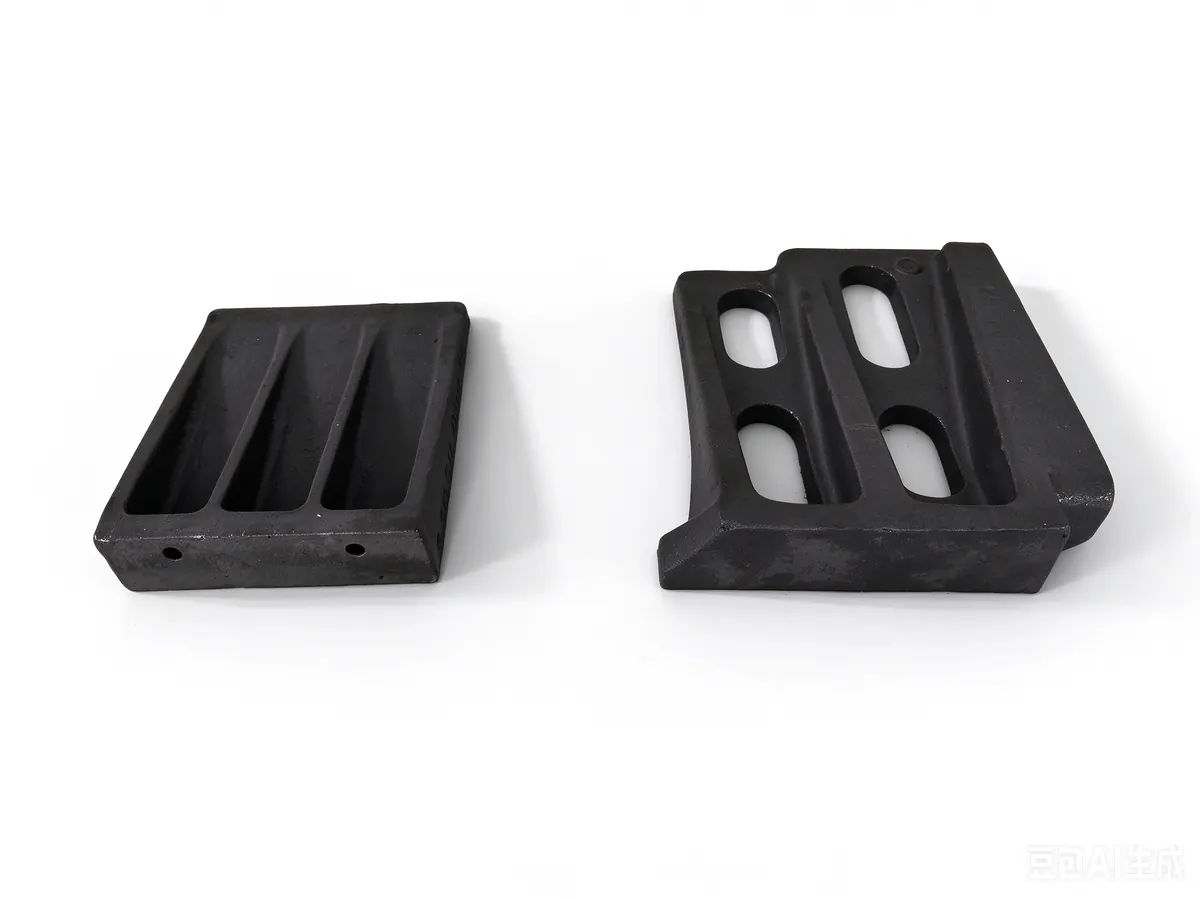
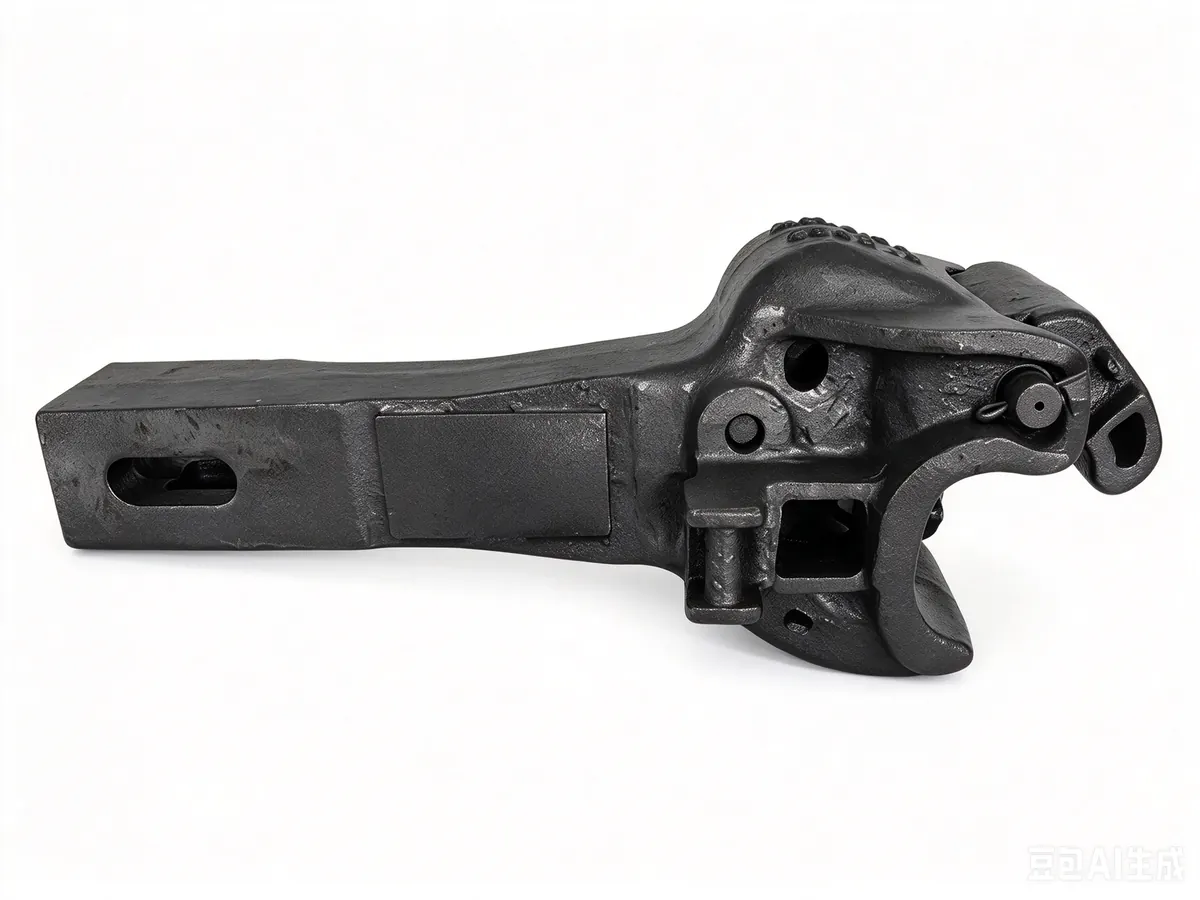
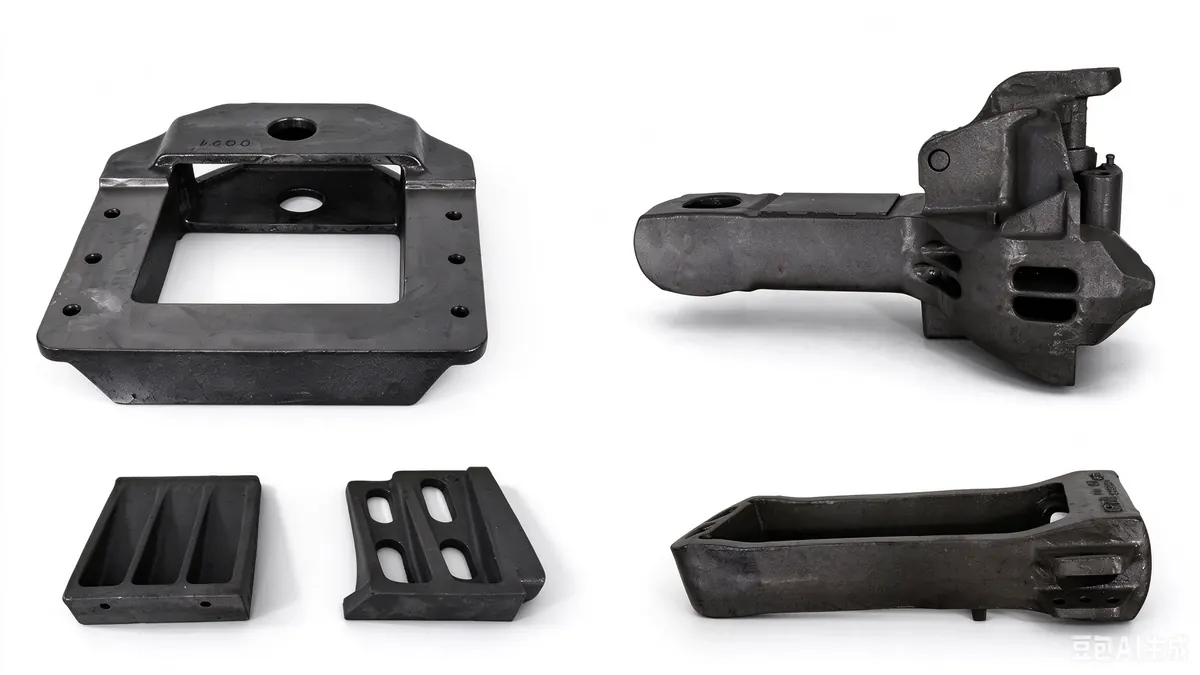
Railway coupler and draft gear castings: coupler bodies, knuckles, yokes, lock and thrower parts, draft gear housings and follower plates.
Coupler and Draft Gear Casting Family Overview
The railway coupler and draft gear castings family covers the cast steel components that form the mechanical link between freight wagons and absorb the longitudinal draft (tensile) and buff (compressive) forces transmitted through a trainset. It includes coupler bodies, coupler knuckles, coupler locks and knuckle throwers, coupler yokes, draft gear housings, front and rear follower plates and coupler strikers. SIMIS produces the full family on a German HWS V-process vacuum sand casting line with EBT and LF duplex refining, serving North American AAR, Russian GOST 1520 mm and broad-gauge operators under a documented quality management system. Buyers who need a railway coupler and draft gear castings manufacturer, or a China coupler and draft gear casting factory for these seven product lines, work with SIMIS Precision Casting Co., Ltd., which quotes every casting against the drawing with the factory material certificate, fully compliant with EN 10204 3.1 issued per heat.
Component Names and Equivalent Material Map
The table below maps each English component name to its Chinese term and introduces the equivalent material grades used across the family.
| English component | Chinese name |
|---|---|
| Coupler body | 车钩钩体 |
| Coupler knuckle | 钩舌 |
| Coupler lock and knuckle thrower | 钩锁铁与钩舌推铁 |
| Coupler yoke | 钩尾框 |
| Draft gear housing | 缓冲器箱体 |
| Follower plate (front and rear) | 从板(前/后从板) |
| Coupler striker (impact seat) | 冲击座 |
| Follower seat (draft lug), front and rear | 前后从板座(牵引耳) |
Equivalent Material Grade Map for Coupler, Yoke and Draft Gear Castings
Coupler castings use the toughest grades in the AAR system because they absorb the highest shock loads at the lowest section thickness. This table maps AAR Grade E onto the Chinese and Russian equivalents used for 13B, 17, Type E and SA-3 coupler bodies, and shows why the draft gear components use a different grade from the coupler body.
| Casting / Application | Standard system and grade | Tensile / Yield | Elongation | Impact | Chinese grade | Russian / equivalent grade | Notes |
|---|---|---|---|---|---|---|---|
| Coupler body, Type E and F | AAR Grade E | 825 MPa / 690 MPa | 14% | - | ZG29MnMoNi | - | Tension and impact at the knuckle |
| Coupler knuckle | AAR Grade E | 825 MPa / 690 MPa | 14% | - | ZG29MnMoNi | - | M-216 fatigue qualified |
| Coupler yoke, 13B and 17 | AAR Grade E at the shank | 825 MPa / 690 MPa | 14% | - | ZG29MnMoNi | - | M-205 test compliance |
| Coupler lock, thrower, lock lifter | Controlled hardness carbon steel | 500 MPa typical | 18% | - | ZG270-500 | - | Small wear and locking parts |
| Draft gear housing, MT-2 and MT-3 | AAR Grade B+ | 550 MPa / 295 MPa | 22% | - | ZG25MnCrNi | GS20Mn5 (1.6220) | Duplex refined steel for shock absorption |
| Coupler striker (impact seat) | AAR Grade C | 620 MPa / 415 MPa | 22% | - | ZG25MnCrNi / ZG25MnCrNiMo | 20GFL | Carries coupler draft load into the drag box |
| Follower seat, front and rear (draft lug) | AAR Grade C | 620 MPa / 415 MPa | 22% | - | ZG25MnCrNi / ZG25MnCrNiMo | 20GFL | Welded base casting on the centre sill |
| Coupler carrier wear plate | AAR M-269 non-metallic performance spec | wear plate grade | - | - | ZG230-450 with wear insert | - | Replaceable wear element |
Important. The AAR standards covering secondhand couplers and reconditioned side frames and bolsters do not apply to new castings, and must not be cited on a new part quotation.
Applicable Standards for the Coupler Family
| Standard | Scope in this family |
|---|---|
| AAR M-201 | Castings, Steel — defines Grade A/B/B+/C/E used for coupler and draft gear parts |
| AAR M-205 | Yoke, Coupler — test requirements for coupler yokes |
| AAR M-211 | Couplers and Yokes, AAR Approved — purchase and acceptance |
| AAR M-215 | Coupling Systems — performance envelope for the coupling family |
| AAR M-216 | Knuckles, Types E and F — fatigue test qualification |
| AAR M-269 | Wear Plate, Coupler Carrier — non-metallic performance specification |
| Customer drawings and TU | Broad-gauge coupling and draft gear supply basis |
| DIN 17182 | GS20Mn5 and similar cast steels for shock-absorbing housings |
| GOST 31332 | Russian axle-box and draft-sill related cast steel references |
Product Range and Sub-Page Index
Coupler body — The railway coupler body casting is the primary load-bearing member of a freight wagon coupling. SIMIS supplies Type E, Type F, 13B and SA-3 bodies in ZG29MnMoNi equivalent to AAR Grade E, normalised and tempered with 100% UT and MT. Ready patterns shorten lead times for global railcar builders.
Coupler knuckle — The coupler knuckle casting is the rotating latch that locks two couplers together. Cast in Grade E steel and qualified to the AAR M-216 fatigue test, knuckles are supplied for Type E, Type F, 13B and SA-3 systems with heat-lot traceability and the factory material certificate, compliant with EN 10204 3.1.
Coupler lock and knuckle thrower — The coupler lock and knuckle thrower casting covers locks, lifters, throwers and anti-creep shelves that operate the knuckle. These small wear parts are supplied as matched sets in ZG230-450 and ZG270-500 with controlled hardness and full heat-lot traceability.
Coupler yoke — The coupler yoke casting transfers draft load from the coupler head to the draft gear. SIMIS casts Type E, Type F, 13B and SA-3 yokes with Grade E shanks and ZG25MnCrNi lug bosses, verified to AAR M-205 and 100% UT, and supplies long yokes as forgings.
Draft gear housing — The draft gear housing casting encloses the energy-absorbing elements of the draft gear. Built from duplex-refined ZG25MnCrNi, with GS20Mn5 (DIN 17182) as the alternative shock-absorbing housing steel, for MT-2, MT-3, SA-3 and PMT, with a low-temperature impact delivery record.
Follower plate — The draft gear follower plate casting is the moving plate between the draft gear housing and the coupler striker, carrying draft and buff loads onward. Front and rear follower plates are covered on one page, since the two positions work differently within the same stack.
Coupler striker — The coupler striker casting receives the coupler draft and buff loads and transfers them into the drag box — under AAR geometry draft force reaches it through the yoke and follower, bypassing the draft gear, while buff compresses the draft gear — and carries the M-269 carrier wear plate. Cast in Grade C steel with 100% UT and MT and the factory material certificate, compliant with EN 10204 3.1. The same casting is sold as impact seat in GOST and CIS practice.
Two naming points matter when an enquiry arrives against this family. The follower seat, often called a draft lug, is a welded base casting on the centre sill and is not part of this family; it is listed under wagon body and auxiliary castings. The follower plate described here is the moving plate in the draft gear stack, and it must not be confused with that static seat. Buyers who order under the name impact seat are usually buying the coupler striker, which is the same casting sold under a different trade name.
Manufacturing Capability
Every casting in the family is traced to its heat lot, and inspection records are released with the factory material certificate, fully compliant with EN 10204 3.1 certificates. Pattern availability differs by part and is stated on each product page, so a model without existing tooling is quoted with pattern development confirmed in the quotation rather than assumed ready. Dimensional reports cover the sections that carry the load, and the low-temperature impact record is supplied for broad-gauge programmes. See the manufacturing process overview for equipment details.
FAQ
What are railway coupler and draft gear castings?
Railway coupler and draft gear castings are the steel parts that link freight wagons and absorb longitudinal draft and buff forces. The family covers coupler bodies, knuckles, locks, throwers, yokes, draft gear housings, front and rear follower plates and coupler strikers, cast to AAR M-211, M-215 and M-216. The follower seat, a welded underframe casting, is catalogued separately under wagon body and auxiliary castings.
Which standards apply to this casting family?
The family is built to AAR M-201 for steel grades, AAR M-205 for yokes, AAR M-211 for couplers and yokes, AAR M-215 for coupling systems, AAR M-216 for knuckle fatigue and AAR M-269 for wear plates, plus customer drawings and TU specifications for broad-gauge programmes. The coupler body is cast in Grade E steel, whose 825 MPa tensile and 690 MPa yield with 14% elongation give it the shock capacity needed at the lowest section thickness.
How are draft and buff forces transmitted in the coupler assembly?
In the СА-3 arrangement the draft gear is loaded in both directions: under draft the force passes through the traction yoke into the draft gear and bears on the striker; under buff it flows through the front and rear follower plates into the follower seat on the underframe. In the AAR arrangement draft force bypasses the draft gear — it flows through the yoke and follower plate directly onto the strikers — and the draft gear is compressed only under buff. The AAR layout therefore gives a shorter, stiffer draft path, letting the draft gear focus on absorbing impact energy.
Request a Quotation
Send your drawing or standard reference, drawing number or part number to sales@simisrail.com and SIMIS will confirm receipt within 1 working day and issue a quotation within 3 working days, with indicative lead time and MOQ confirmed in the quotation. Contact Felix at +86-13934165890 for technical discussion.
Product range
Castings in this family
Each casting below has its own specification page with materials, standards, inspection scope and the FAQ buyers ask.
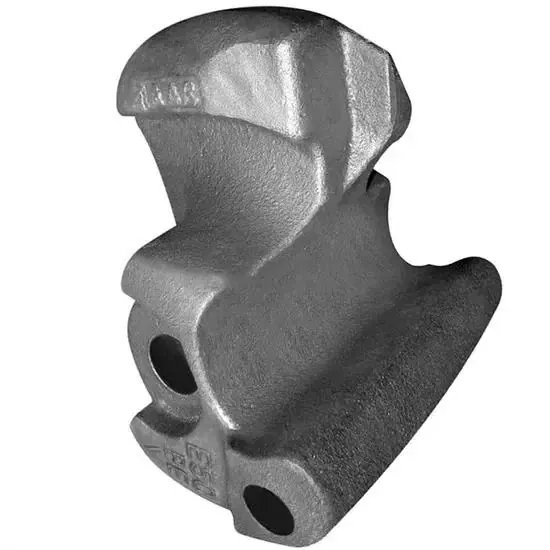
Coupler Knuckle Castings
View the specification page →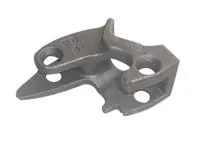
Coupler Lock and Knuckle Thrower Castings
View the specification page →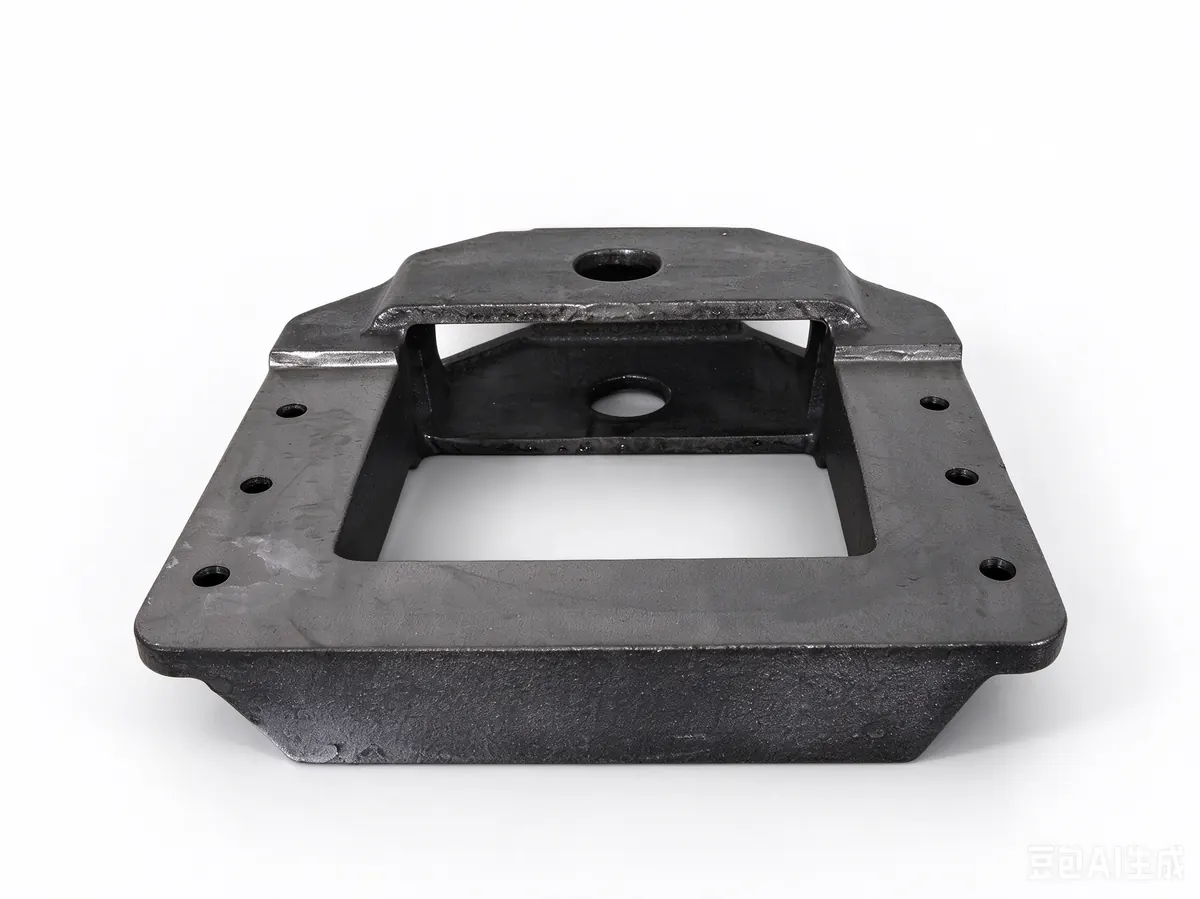
Coupler Striker Castings
View the specification page →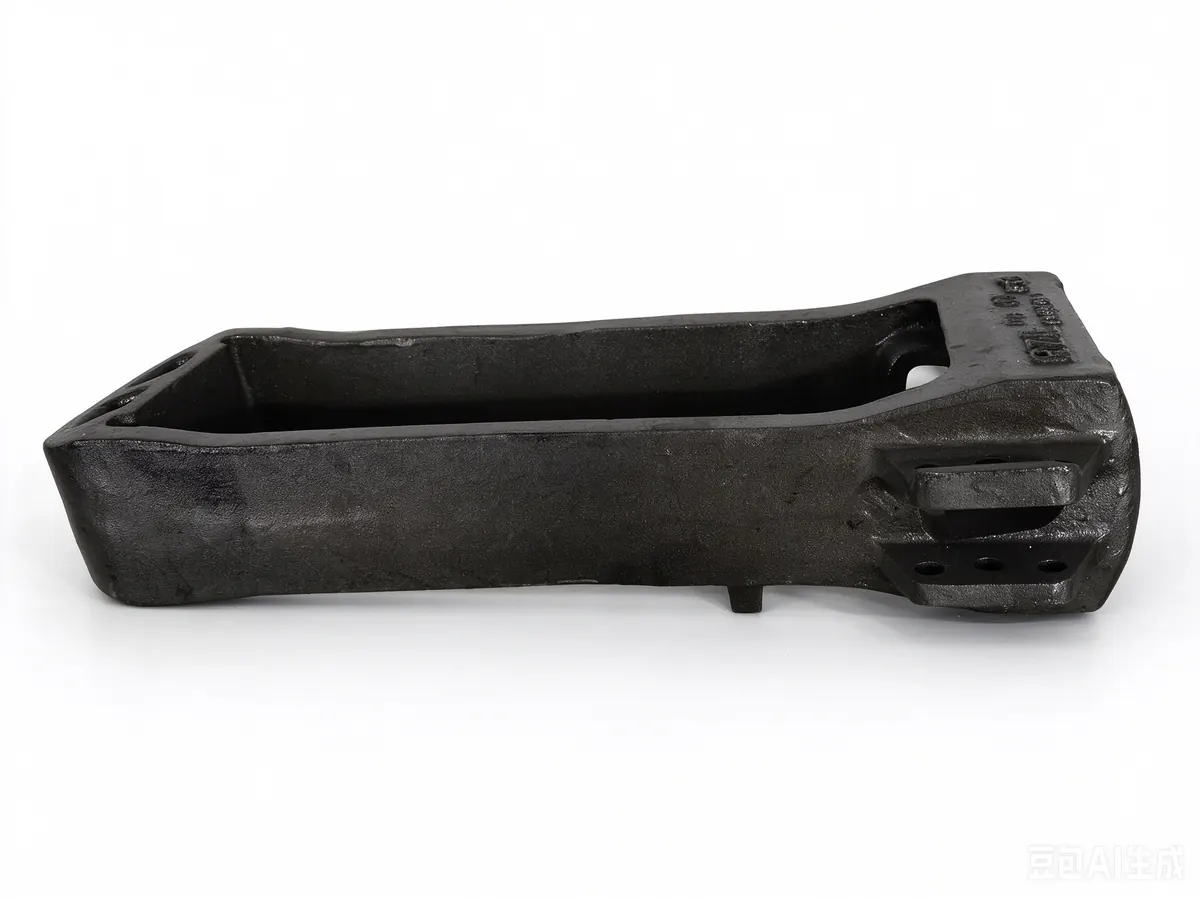
Coupler Yoke Castings
View the specification page →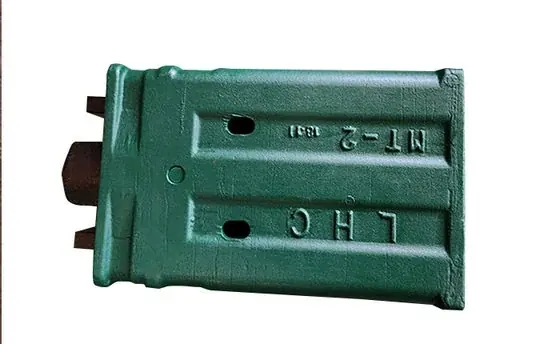
Draft Gear Housing Castings
View the specification page →