Product
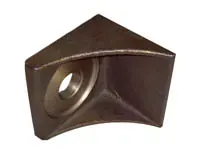
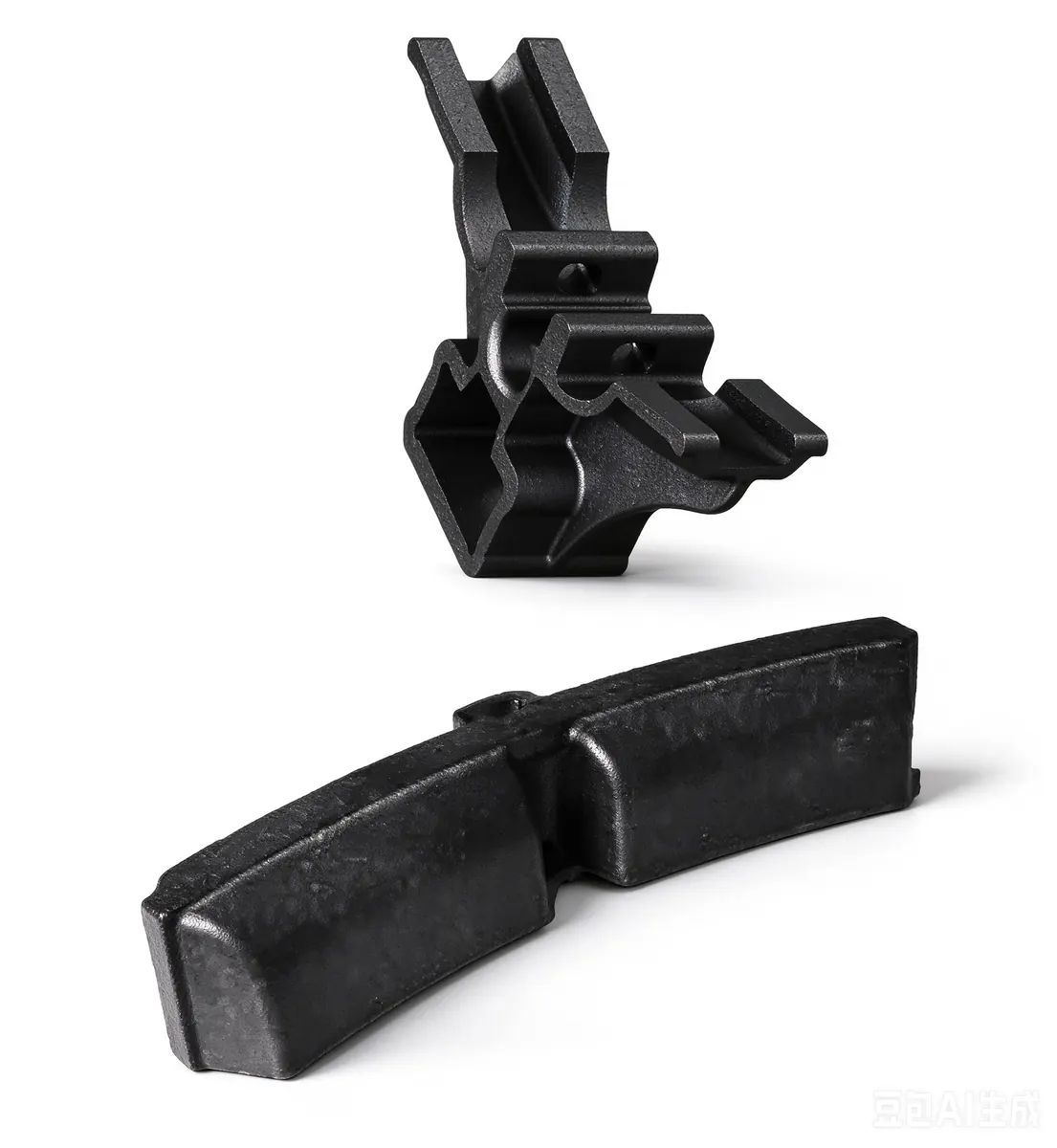
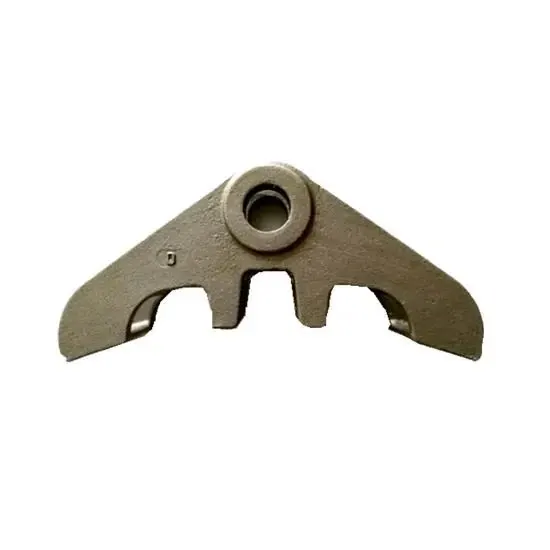
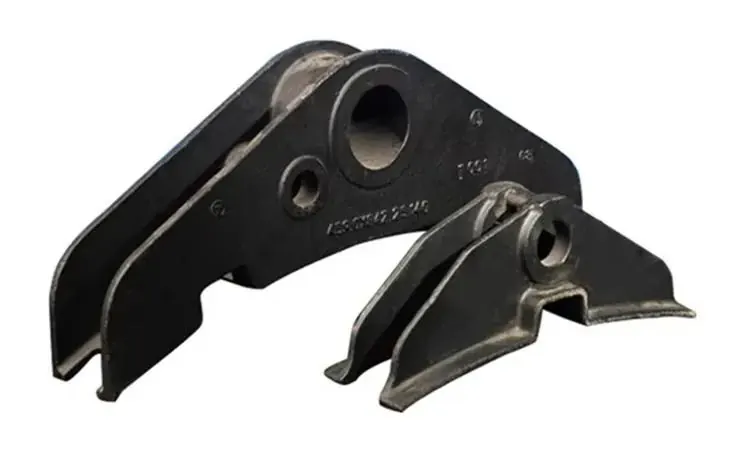
Brake Beam End Castings
Brake beam end castings for one-way and two-way freight car brake beams, supplied as matched pairs with the wear face machined. factory material certificate compliant with EN 10204 3.1.
Brake Beam End Castings for Freight Car Brake Beams
A brake beam end casting is the terminal steel part of a freight car brake beam that anchors the brake shoe against the wheel tread. As a brake beam end casting exporter, SIMIS Precision Casting Co., Ltd. in China produces one-way and two-way beam ends in ZG230-450 and ZG270-500 cast steel to AAR M-201 Grade B, normalized and tempered, supplied as matched pairs with the wear face machined and the factory material certificate, compliant with factory material certificate traceability, compliant with EN 10204 3.1. These castings suit North American, South American and Southeast Asian freight wagon rebuild and maintenance programmes.
Technical Parameters
| Item | Specification |
|---|---|
| Material | ZG230-450, ZG270-500 for beam ends (cast steel, AAR M-201 Grade B) |
| Process | Resin sand casting, normalized and tempered |
| Standards | AAR M-201, TB/T 2942.1-2020 |
| Documentation | Factory-issued material certificate, fully compliant with EN 10204 Type 3 content, issued with each batch against the heat number |
| Typical brake beam types | One-way brake beam, two-way brake beam |
| Lead time (indicative) | Confirmed in the quotation |
| MOQ | Indicative, confirmed in the quotation |
One-Way and Two-Way Beam Ends
| Feature | One-way brake beam end | Two-way brake beam end |
|---|---|---|
| Force direction | Single-direction shoe load | Force from both shoes |
| Wear face | Machined on the active side | Machined on both shoe seats |
| Supply form | Matched pair | Matched pair |
| Typical use | Older single-shoe trucks | Modern two-shoe freight wagons |
Equivalent Material Grades
Brake castings split into two groups by duty. The structural parts that carry the brake beam load use cast steel, while the cylinder and hand brake housings are commonly supplied in ductile iron to reduce cost. This table maps each group onto the corresponding AAR, EN and Chinese grade.
| Casting / Application | Standard system & grade | Tensile / Yield | Elongation | Impact | Chinese grade | Russian grade | Note |
|---|---|---|---|---|---|---|---|
| Brake beam end | AAR M-201 Grade B | 485 MPa / 260 MPa | 24% | - | ZG230-450 | - | One-way and two-way brake beams |
| Brake shoe holder | AAR M-201 Grade B | 485 MPa / 260 MPa | 24% | - | ZG230-450 | - | Brackets with matched wear inserts |
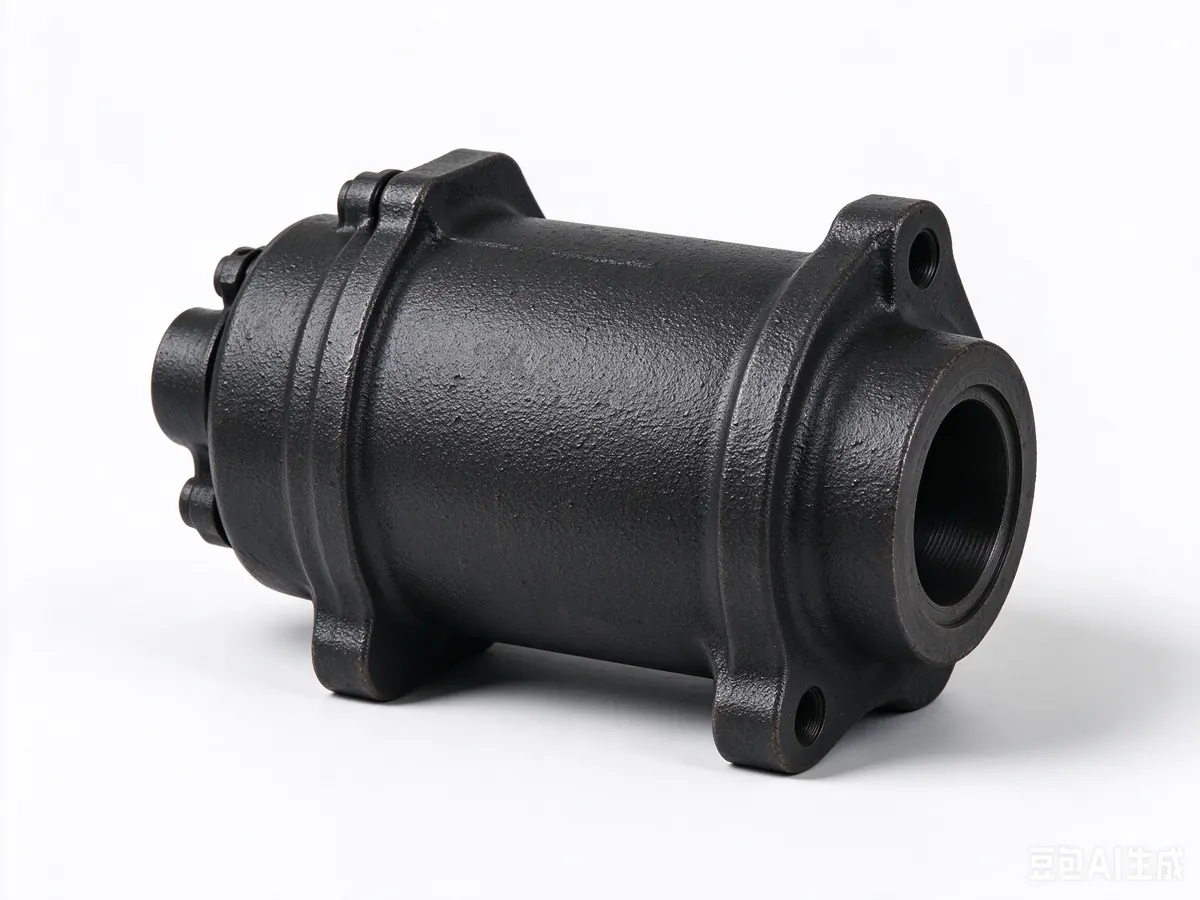
| Brake cylinder body | AAR M-201 Grade A | strength not critical | - | - | ZG230-450 | - | 10 in and 12 in sizes |
| Brake lever and pull rod | AAR M-201 Grade B | 485 MPa / 260 MPa | 24% | - | ZG270-500 | - | Lever ratio geometry is critical |
| Slack adjuster housing | AAR M-201 Grade A | strength not critical | - | - | ZG230-450 | - | Ball and thread type |
| Hand brake housing | AAR M-201 Grade A | strength not critical | - | - | ZG230-450 | - | Manual parking brake gear |
Cast steel and cast iron are not interchangeable, so the columns above are kept separate on purpose. The Chinese grade column holds the cast steel grade that SIMIS casts to; the Russian column is left empty because there is no cast steel grade in the Russian system that is equivalent to the AAR Grade B and Grade A brake castings above.
Where a fleet asks for an iron casting instead of a steel one, that is a substitution rather than an equivalence, and it is listed separately:
| Casting | Cast steel grade supplied as standard | Cast iron alternative, only on written buyer approval | Note |
|---|---|---|---|
| Brake beam end, brake shoe holder | ZG230-450 (AAR M-201 Grade B) | GG25 grey iron / QT450-10 ductile iron | Structural brake parts stay in cast steel |
| Brake cylinder body, slack adjuster housing, hand brake housing | ZG230-450 (AAR M-201 Grade A) | QT450-10 ductile iron | Housing duty, non-structural |
| Hand brake housing cover | ZG230-450 | QT400-18 / HT250 | Cover only |
Important. Ductile iron substitution is offered for cost sensitive fleets only where the buyer accepts the substitution in writing. Structural brake parts stay in cast steel. Any iron substitution is a different material from the grade listed in the first table and is quoted on that basis, not as an equivalent.
Material and Manufacturing Process
Brake beam ends are poured in resin sand moulds from low-carbon cast steel, then normalized and tempered to reach the AAR M-201 Grade B tensile and yield levels. The wear face is finish-machined so the shoe seats share one plane. Our article on brake shoe holder and beam head wear explains how the friction interface is maintained in service.
Traceability and Documentation
Each brake beam end casting carries a heat number and an individual serial number. Each consignment carries the factory-issued material certificate, fully compliant with EN 10204 3.1, released by the works that melted and heat treated the casting and passed with the shipment with the chemical analysis, mechanical test results and NDT report attached. Repeat orders can be matched to the original heat lot where possible, using the drawing or casting identification number supplied by the buyer.
Quality Verification
Internal soundness of each casting is verified by 9MeV industrial DR/CT volumetric scanning before machining. Surface and near-surface defects are then checked by UT and MT, and any result outside the acceptance band is recorded on the inspection report before the part is released.
Regional Applications
In North America, beam ends are supplied to AAR M-201 rebuild programmes with matched-pair documentation. In South America, operators use them for two-way beam conversions on mixed fleets. In Southeast Asia, they support both new-build and maintenance volumes under TB/T 2942.1-2020 equivalence.
FAQ
What is the difference between a one-way and two-way brake beam?
A one-way brake beam applies braking force in a single direction, while a two-way beam transfers force from both shoes to the wheel. The brake beam end casting is the terminal casting that anchors the shoe, and SIMIS supplies both types in ZG230-450 to AAR M-201 Grade B, which is 485 MPa tensile with 260 MPa yield and 24% elongation, with the wear face machined to drawing.
Why must brake beam ends be supplied as a matched pair?
Brake beam ends are machined as a matched set so the two shoe positions share the same wear-plane and load path. Supplying them as a matched pair keeps the brake head geometry within tolerance and avoids uneven shoe wear across the freight wagon axle.
What wear face hardness should a brake beam end have?
The wear contact face of a brake beam end is machined and inspected to the drawing hardness band, typically verified by surface hardness check after normalizing and tempering. The result is recorded on the factory material certificate, compliant with EN 10204 3.1, and any out-of-band value is flagged before shipment and flags any out-of-band value before shipment.
Related Products and Resources
Request a Quotation
Send the brake beam end drawing, drawing number or part number to sales@simisrail.com, with the bogie type and the wear allowance your fleet runs. Engineer Felix confirms the inquiry within 1 working day and returns a quotation within 3 working days, with indicative lead time and MOQ confirmed in the quotation. As a China brake beam end casting specialist, we quote from the drawing itself and release the factory material certificate, fully compliant with EN 10204 3.1, with every batch with every batch.
Product photos
Related products