
Product
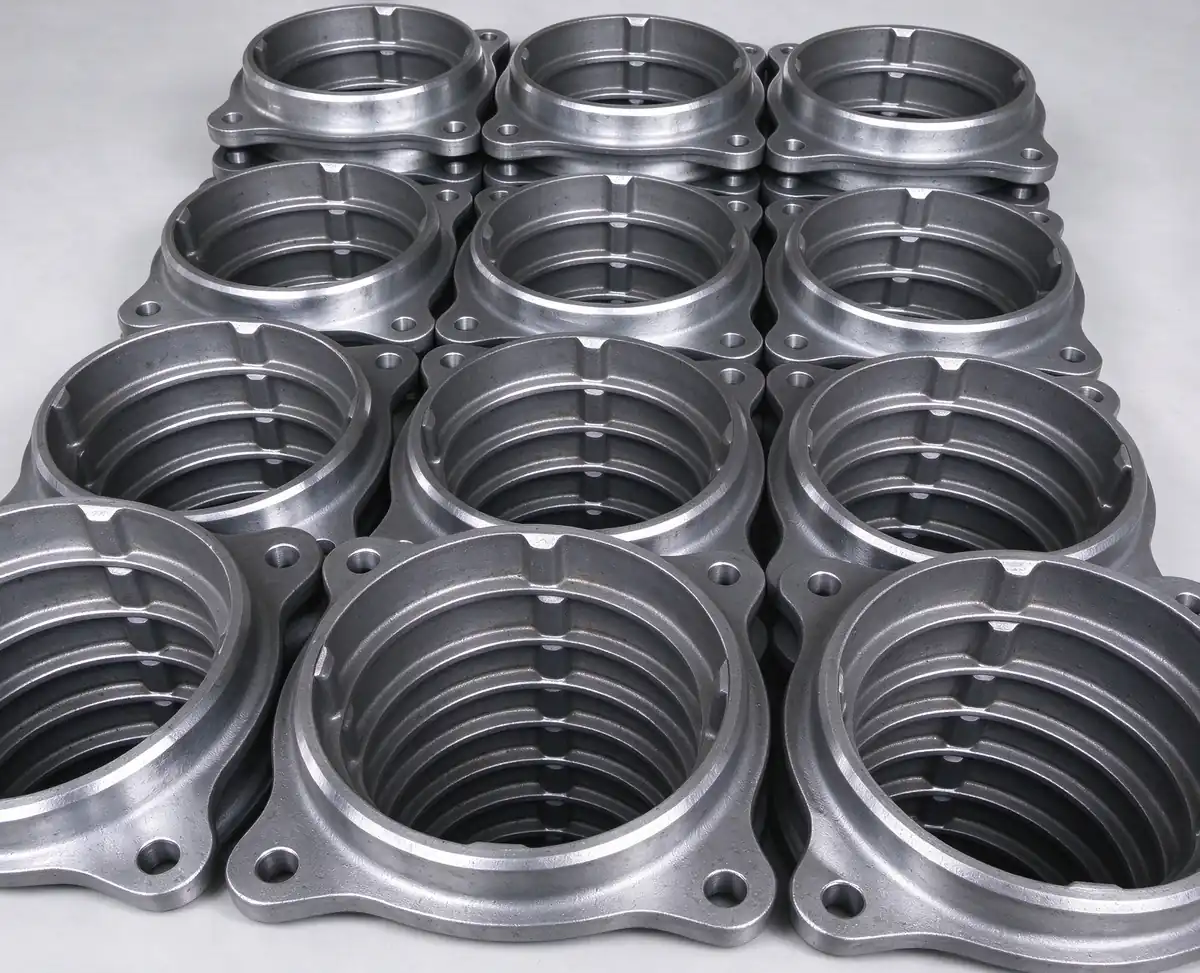
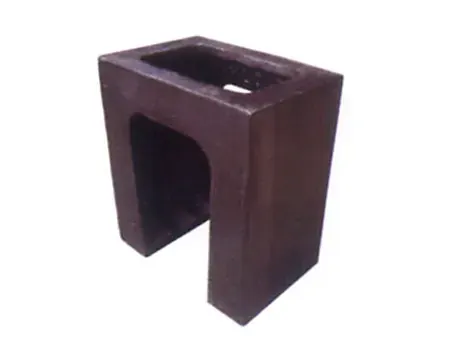
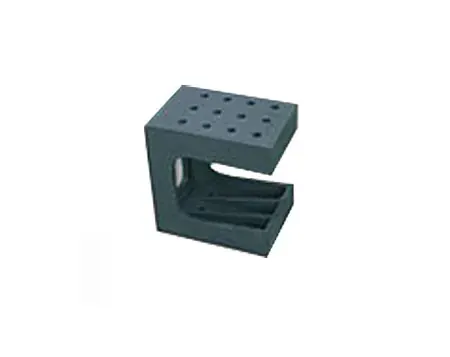
Railway Follower Seat Castings
Railway follower seat castings, also called draft lug, follower seat, front or rear plexus plate, in Grade C and 20GFL for 18-100, SA-3 and AAR wagons..
Railway Follower Seat Castings Overview
A railway follower seat casting is the cast steel block welded or riveted to the centre sill draw beam of a freight wagon, standing against the draft gear so that traction and buff loads are carried into the wagon body. The seat works in pair with the coupler striker but is classified as an underframe casting, and buyers in Central Asia and Russia often request it under coupler and draft gear. SIMIS Precision Casting Co., Ltd. quotes every seat against the drawing with the factory material certificate, fully compliant with EN 10204 3.1, and buyers approach us as a railway follower seat casting supplier and as a China follower seat casting manufacturer for 18-100, SA-3 and AAR programmes. The same casting is called the front plexus plate or the rear plexus plate according to its position on the centre sill, which is the naming used on Chinese drawings and in purchase orders, and the designation tells the buyer which end of the draw beam the seat is welded to.
Technical Parameters
| Item | Specification |
|---|---|
| Material | ZG25MnCrNi / Grade C, 20GFL for GOST |
| Process | Resin bonded sand casting, controlled shrinkage and chilling, normalized and tempered |
| Standards | AAR M-215, AAR M-201, customer drawings and TU |
| Documentation | Factory-issued material certificate, fully compliant with EN 10204 Type 3 content, issued with each batch against the heat number |
| Typical wagon stacks | 18-100, SA-3, AAR |
| Lead time (indicative) | confirmed in the quotation |
| MOQ | indicative, confirmed in the quotation |
Front and Rear Follower Seat Reference
| Designation | System / standard | Material | Function in the draft system |
|---|---|---|---|
| Front follower seat | AAR M-215 / customer drawings and TU | ZG25MnCrNi / Grade C | Welded base at the front of the centre sill, taking the housing reaction at the end of the buff stroke |
| Rear follower seat | AAR M-215 / customer drawings and TU | ZG25MnCrNi / Grade C | Welded base at the rear of the centre sill, taking the housing reaction at the end of the draft stroke |
| Draft lug, front (front plexus plate) | Buyer drawing and order line | ZG25MnCrNi / Grade C, 20GFL for GOST | Chinese and CIS trade designation for the front follower seat |
| Draft lug, rear (rear plexus plate) | Buyer drawing and order line | ZG25MnCrNi / Grade C, 20GFL for GOST | Chinese and CIS trade designation for the rear follower seat |
The same casting is called the front plexus plate or the rear plexus plate according to its position on the centre sill, which is the naming used on Chinese drawings and in purchase orders, and the designation tells the buyer which end of the draw beam the seat is welded to.
Equivalent Material Grade Map
Coupler and draft gear castings use the toughest AAR grades because they absorb the highest shock loads at the lowest section thickness. This table maps the AAR grades onto the Chinese and Russian equivalents used for coupler bodies, draft gear housings, strikers, follower seats and plates.
| Casting / use | Standard system & grade | Tensile / Yield | Elongation | Impact | Chinese grade | Russian grade | Note |
|---|---|---|---|---|---|---|---|
| Coupler body, Type E and F | AAR Grade E | 825 MPa / 690 MPa | 14% | - | ZG29MnMoNi | - | Tension and impact at the knuckle |
| Coupler knuckle | AAR Grade E | 825 MPa / 690 MPa | 14% | - | ZG29MnMoNi | - | M-216 fatigue qualified |
| Coupler yoke, 13B and 17 | AAR Grade E at the shank | 825 MPa / 690 MPa | 14% | - | ZG29MnMoNi | - | M-205 test compliance |
| Coupler lock, thrower, lock lifter | Controlled hardness carbon steel | 500 MPa typical | 18% | - | ZG270-500 | - | Small wear and locking parts |
| Draft gear housing, MT-2 and MT-3 | AAR Grade B+ | 550 MPa / 295 MPa | 22% | - | ZG25MnCrNi | GS20Mn5 (1.6220) | Duplex refined steel for shock absorption |
| Coupler striker (impact seat) | AAR Grade C | 620 MPa / 415 MPa | 22% | - | ZG25MnCrNi / ZG25MnCrNiMo | 20GFL | Carries coupler draft load into the drag box |
| Follower seat, front and rear (draft lug) | AAR Grade C | 620 MPa / 415 MPa | 22% | - | ZG25MnCrNi / ZG25MnCrNiMo | 20GFL | Welded base casting on the centre sill |
| Coupler carrier wear plate | AAR M-269 non-metallic performance spec | wear plate grade | - | - | ZG230-450 with wear insert | - | Replaceable wear element |
Important. The AAR standards covering secondhand couplers and reconditioned side frames and bolsters do not apply to new castings, and must not be cited on a new part quotation.
Material and Casting Process
The follower seat is poured in resin bonded sand in ZG25MnCrNi matched to AAR Grade C, whose 620 MPa tensile and 415 MPa yield with 22% elongation let the seat react the draft gear housing without brittle failure at the fillet. Chills are placed on the load bearing faces and the riser feed is controlled so that the heavy section under the buffer contact shrinks evenly. Each casting is then normalized and tempered, and the seating face, the weld preparation and the machining datum are machined to drawing, since the seat has to sit flat on the draw beam to transfer the load without a fretting gap. Where the order is written in 20GFL for a CIS programme, the casting route and the acceptance documents are identical.
Heat Lot Traceability and Documentation
Every follower seat ships with the factory material certificate, fully compliant with EN 10204 3.1 recording the heat number, the heat-treatment cycle and the mechanical test results. A single-piece serial number is linked to the heat number, so any seat can be traced back to its ladle analysis and pour date. When a front and a rear seat are ordered for the same wagon, both serial numbers are recorded against the same heat lot.
Inspection and Quality Verification
Internal soundness is confirmed by 9MeV industrial DR/CT volumetric scanning, which resolves shrinkage and porosity in the heavy section behind the contact face before the seat is dressed. Each seat is then inspected by UT for internal defects and by MT for surface-breaking indications at the machined seating face and the weld preparation, and the seating face is checked for flatness against the drawing gauge points.
Regional Applications
In Russia and the CIS, front and rear seats are supplied in 20GFL for 18-100 and SA-3 broad-gauge wagons, ordered under the draft lug name. In North America, the seat is supplied for AAR wagon centres with the front and rear seats matched to the same sill drawing. In the Middle East and Africa, the same casting covers replacement demand for mixed AAR fleets where the underframe is repaired rather than renewed.
FAQ
What is the difference between a follower seat and a follower plate? A follower seat is the static cast steel base welded or riveted to the centre sill draw beam, and it does not move. A follower plate is the moving plate that travels with the draft gear housing and transfers the buff and draft forces onward. The seat reacts the housing against the wagon structure; the plate carries the stroke. SIMIS casts the seat in Grade C steel with the factory material certificate, fully compliant with EN 10204 3.1.
Are a follower seat and a draft lug the same part? Yes. Draft lug and draft stop are the trade names used in China and in CIS purchasing for the same casting that AAR practice calls the follower seat, and the same casting is called the front or rear plexus plate according to its position on the centre sill. The formal English name is follower seat.
Why do Central Asian and Russian buyers ask for a follower seat under coupler and draft gear? Because the seat is fitted into the same coupler and draft gear assembly as the housing and the striker, so buyers group it with them when they build the enquiry list. The correct classification is wagon body and auxiliary castings, since the seat is a welded underframe casting and not a moving draft gear part.
Is an impact seat the same part as a follower seat? No. The formal name of the impact seat is the coupler striker, the moving cast steel block behind the coupler that carries the load into the drag box. The follower seat is the static welded base on the centre sill. Orders written as impact seat are quoted as coupler striker casting, and orders written as draft lug are quoted as follower seat casting.
Related Products and Resources
Request a Quotation
Send your drawing, drawing number or part number, or the wagon type and the seat position, to sales@simisrail.com. SIMIS confirms receipt within 1 working day and issues a quotation within 3 working days, with indicative lead time and MOQ confirmed in the quotation. Every seat is quoted from the drawing, so the weld preparation, the seating face and the machining datum are covered by one document. Contact Felix at +86-13934165890.
Product photos
Related products
More wagon body and auxiliary castings for freight wagons
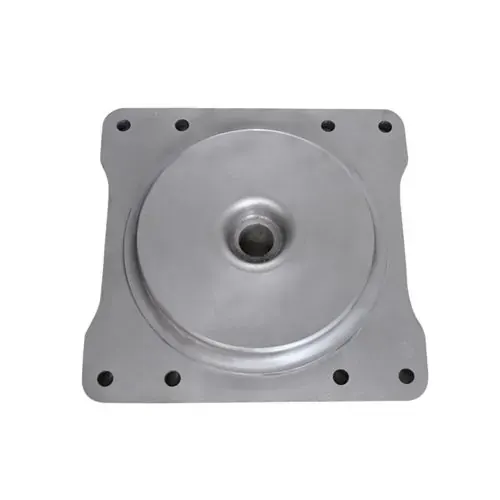
Upper Center Plate Castings
View the upper center plate castings page →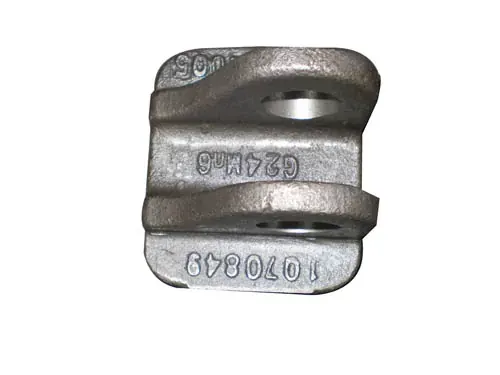
Freight Wagon Hanger and Bracket Castings
View the freight wagon hanger and bracket castings page →Back to Wagon Body and Auxiliary Castings for Freight Wagons