
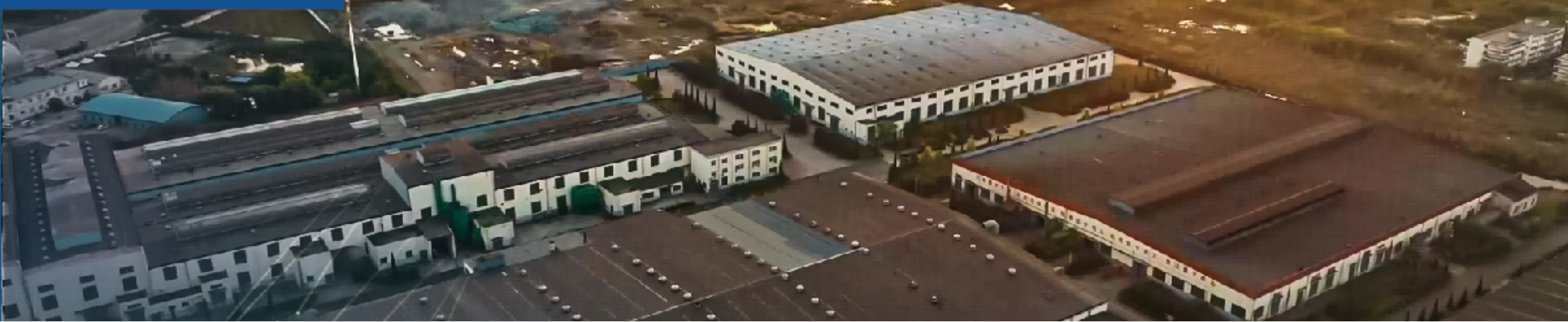
Regional supply
Railway Castings for Southeast Asia
Railway castings supplier for Indonesia, Vietnam and Thailand: 1067 mm metre-gauge compatible AAR three-piece bogie castings for meter gauge fleets, tropical coating systems and sealed export packing.
Served markets
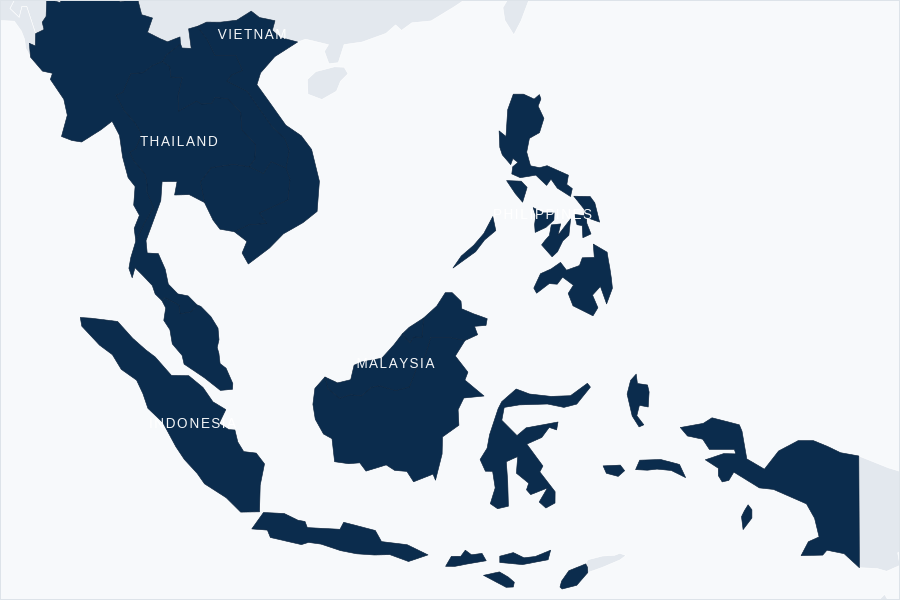
Where these castings ship in Southeast Asia
Highlighted countries are the markets covered on this page: Indonesia, Vietnam and Thailand. Castings are produced in China against the buyer drawing and released with the factory material certificate, fully compliant with EN 10204 3.1.
- Markets covered on this page
- Other countries
SIMIS is a railway castings supplier for Indonesia, Vietnam and Thailand, supplying 1067 mm metre-gauge compatible AAR three-piece bogie castings alongside 18-100, K2, K6 and AAR 70T families. Production follows AAR M-201, M-202, M-203 and M-210, with tropical coatings and sea-freight anti-corrosion packing. Every consignment is consolidated for mixed-container shipment and traced to EN 10204 3.1. Buyers who need a railway castings exporter for Southeast Asia get the gauge confirmed before tooling: the gauge and centre-plate height are checked at drawing review, the coating scheme is proposed against your service environment, and the factory material certificate records the heat number on each casting.
A naming point for regional orders: the friction wedge that works in the three-piece bogie friction suspension belongs to the bogie casting family, and is supplied with the bogie castings rather than with the suspension and wear parts.
Model Families We Supply
Southeast Asian orders mix metre-gauge bogies with AAR-compatible assemblies, and the recurring pattern is a small quantity of castings with a larger quantity of wear parts. The table below lists the model families in scope and their application.
| Model family | Typical application |
|---|---|
| 1067 mm metre gauge bogie | Metre-gauge three-piece bogie for Indonesia and neighbours |
| 18-100 | 1520 mm-origin bogie adapted for regional service |
| K2 / K6 | Chinese-origin bogie types operated in the region |
| AAR 70T | 70-tonne AAR three-piece bogie casting family |
These families are often a modification of a 1435 mm AAR design rather than a separate casting, so the gauge and centre-plate height decide the tooling. We confirm both at the drawing review stage before any production commitment.
Standards and Acceptance
Southeast Asian supply follows the AAR castings set, which is familiar to regional operators running AAR-compatible bogies. The key documents for our scope are listed here, with full text and clause references on our standards page.
| Standard | Scope in our supply |
|---|---|
| AAR M-201 | Castings, Steel — grade definition for structural parts |
| AAR M-202 | Truck bolsters, cast or structural — design and testing |
| AAR M-203 | Truck side frames, cast steel — design and testing |
| AAR M-210 | Side frames and bolsters, AAR approved — purchase and acceptance |
Where ISO 9001 and a national railway certification such as CRCC are sufficient for the buyer's project, we supply against that route; where AAR acceptance is specified, we follow the cited clause. The acceptance route is fixed at the quotation stage.
The Southeast Asian Market Context
The Southeast Asian market is defined by metre gauge and tropical exposure. Indonesia's 1067 mm metre gauge is frequently a modification of a 1435 mm AAR three-piece design, which means the casting tooling changes with the gauge and the centre-plate height. High humidity and salt-laden coastal air make corrosion protection a primary concern, so a tropical coating scheme is part of the offer rather than an afterthought.
SIMIS meets this with German HWS V-process casting, 9MeV industrial CT/DR inspection, and a sea-freight packing built for long transit: anti-corrosion film, desiccant and a moisture barrier inside the container. The core selling point is the mixed consolidation container — castings and wear parts shipped together — which keeps small Southeast Asian orders economical and documented to EN 10204 3.1.
Procurement and Lead Time Matrix for Southeast Asian Buyers
Southeast Asian orders mix metre gauge bogies with AAR compatible assemblies, and the recurring pattern is a small quantity of castings mixed with a larger quantity of wear parts. This table sets out the sequence for both.
| Stage | Lead time | Buyer provides | Cost | Notes |
|---|---|---|---|---|
| Drawing review and gauge check | 1 working day | Drawing, gauge, axle load | Free | Confirms metre gauge compatibility and any modification |
| Technical quotation | 3 working days | Drawing plus quantity and port | Free | Priced against the drawing |
| Coating and packing proposal | With the quotation | Service environment, sea freight route | Free | Corrosion protection proposed for humid tropical service |
| First article inspection | 10 to 15 working days | One casting plus the test report | Paid, refundable on repeat orders | Remote video inspection is possible for small orders |
| Production | 40 to 55 days | Approved drawing and confirmed sample | 20 to 30 percent deposit | Coating applied after the dimensional check |
| Mixed consolidation packing | Held until the order is complete | Consolidation list | Included | Castings and wear parts in one container where volume allows |
| Sea freight packing | With the order | Packing instruction, VGM, moisture barrier | Included | Anti corrosion film and desiccant for the container |
| Shipping | 20 to 35 days by sea | Shipping instruction, documents | Balance against B/L | Port of loading and destination confirmed at order stage |
Important. Lead times and deposit terms in this table are indicative. They depend on order size and the current moulding schedule, and a firm date is confirmed in the quotation, not in this table. Metre gauge bogies are frequently a modification of a 1435 mm design rather than a separate casting. Confirm the gauge and the centre plate height at the drawing review stage, because both change the tooling.
Related Reading for Southeast Asian Buyers
These articles cover metre-gauge supply, axle load and suspension choices for the region:
- railway castings supplier Indonesia
- 125 ton bogie bolster
- constant contact side bearing
- railway casting RFQ checklist
FAQ
Are Indonesian 1067 mm metre-gauge bogies compatible with AAR castings?
Yes. Indonesian 1067 mm metre-gauge bogies are frequently a modification of a 1435 mm AAR three-piece design rather than a separate casting, so AAR 70T, 18-100, K2 and K6 families can be adapted. The gauge and centre-plate height are confirmed at the drawing review stage.
How are castings protected for tropical sea freight?
For humid, salt-exposure tropical service we propose a tropical corrosion-protection coating at quotation stage, then apply anti-corrosion film, desiccant and a moisture barrier in the container after the dimensional check. The packing is built for long sea transit to Indonesian, Vietnamese and Thai ports.
Can small castings and wear parts share one container?
Yes. We consolidate castings and wear parts into one container where volume allows, building a mixed LCL kit with a consolidation list by weight and volume. This mixed-consolidation packing is the recurring pattern for Southeast Asian orders and is included in the price.
Request a Quotation
Send your drawing, gauge, axle load and sea-freight route to sales@simisrail.com. We confirm metre-gauge compatibility within 1 working day and return a quotation with the coating and packing proposal within 3 working days. Mixed-consolidation packing and EN 10204 3.1 traceability are included. As a China railway castings exporter for Southeast Asia, SIMIS Precision Casting Co., Ltd. confirms gauge and centre-plate height before any tooling is committed, and the works issue the factory material certificate, fully compliant with EN 10204 3.1, with the heat number on every casting in the container. For a technical question, contact Felix at sales@simisrail.com or +86-13934165890.